

Bhutan
Nestled high in the Himalayas, Bhutan is a peaceful kingdom defined by spiritual depth, stunning landscapes, and enduring traditions. This small yet captivating country balances ancient customs with a strong commitment to environmental preservation and happiness. From its cliffside monasteries and colorful festivals to the warm hospitality of its people, Bhutan offers an experience that is both uplifting and authentic—a place where culture, nature, and mindfulness come together in perfect harmony.
Bhutan
Nestled high in the Himalayas, Bhutan is a peaceful kingdom defined by spiritual depth, stunning landscapes, and enduring traditions. This small yet captivating country balances ancient customs with a strong commitment to environmental preservation and happiness. From its cliffside monasteries and colorful festivals to the warm hospitality of its people, Bhutan offers an experience that is both uplifting and authentic—a place where culture, nature, and mindfulness come together in perfect harmony.
Why Bhutan?
Bhutan offers travelers a unique mix of serene Himalayan landscapes, ancient monasteries, and vibrant cultural traditions. Visitors can hike scenic mountain trails, explore colorful dzongs, and experience local festivals while enjoying the country’s peaceful, mindful way of life. Bhutan’s commitment to Gross National Happiness ensures a travel experience focused on well-being, culture, and natural beauty.
Why Bhutan?
Bhutan offers travelers a unique mix of serene Himalayan landscapes, ancient monasteries, and vibrant cultural traditions. Visitors can hike scenic mountain trails, explore colorful dzongs, and experience local festivals while enjoying the country’s peaceful, mindful way of life. Bhutan’s commitment to Gross National Happiness ensures a travel experience focused on well-being, culture, and natural beauty.
Land of the Thunder Dragon.
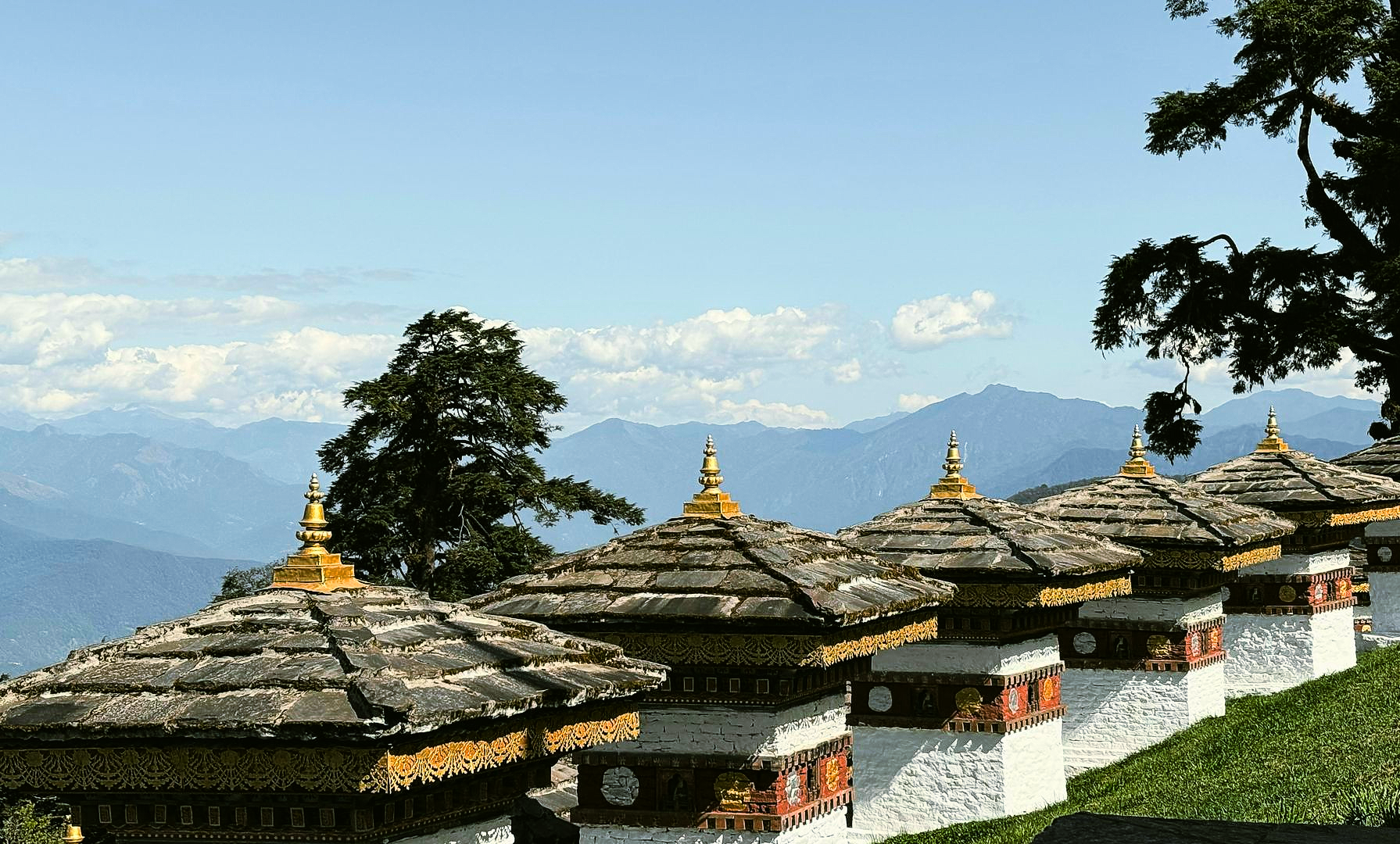
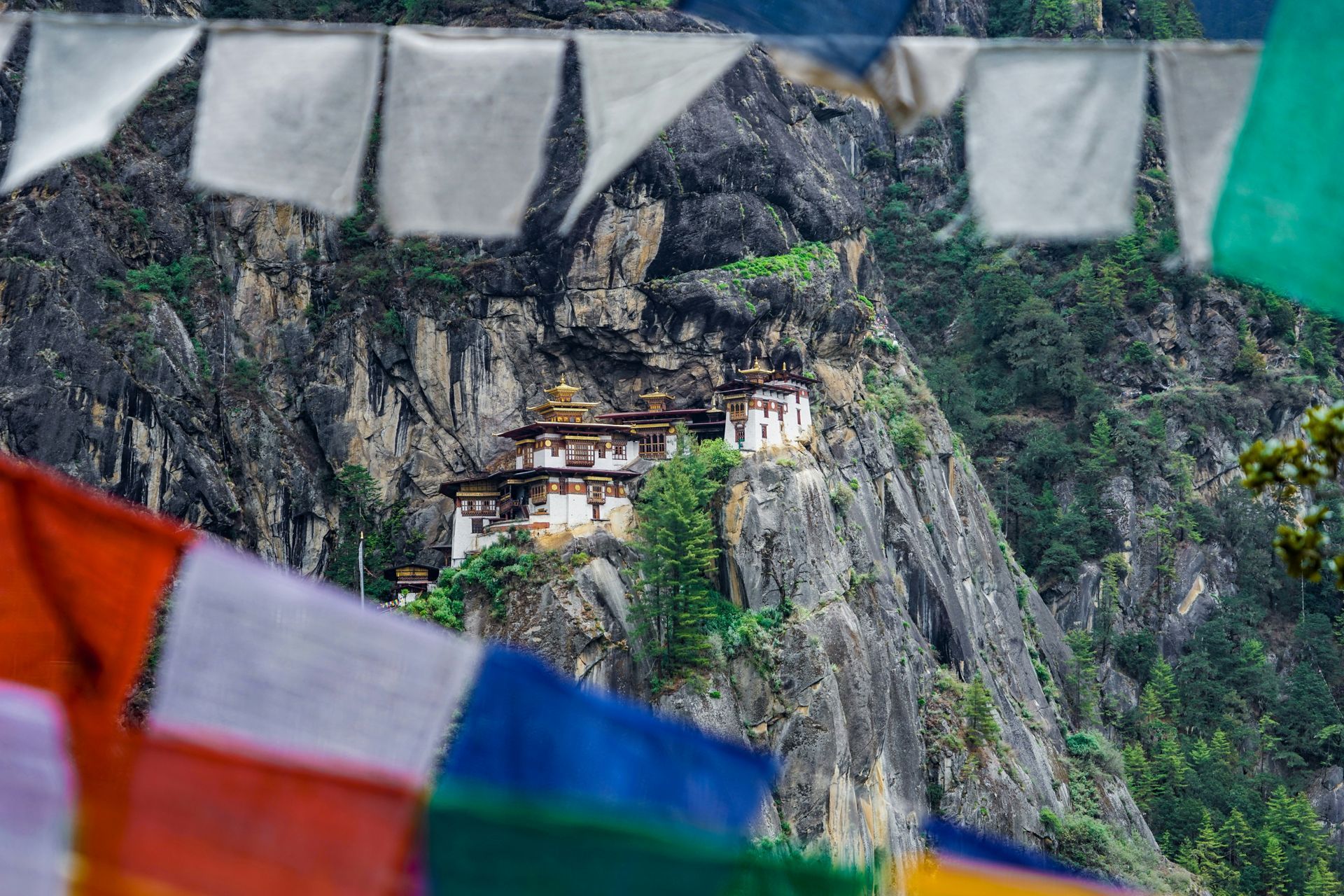
Bhutan, known as Druk Yul, is called the Thunder Dragon country, reflecting its mystical Himalayan landscapes and rich spiritual heritage. Towering mountains, sacred monasteries, and fluttering prayer flags showcase the nation’s Buddhist traditions and cultural strength. Travelers can explore fortress-like dzongs, vibrant festivals, and serene valleys that embody Bhutan’s harmony between nature, spirituality, and daily life.
Land of the Thunder Dragon.
Bhutan, known as Druk Yul, is called the Thunder Dragon country, reflecting its mystical Himalayan landscapes and rich spiritual heritage. Towering mountains, sacred monasteries, and fluttering prayer flags showcase the nation’s Buddhist traditions and cultural strength. Travelers can explore fortress-like dzongs, vibrant festivals, and serene valleys that embody Bhutan’s harmony between nature, spirituality, and daily life.
Featured Itineraries
Bhutan & Nepal
Abercrombie & Kent Tour
The Bhutanese Culture
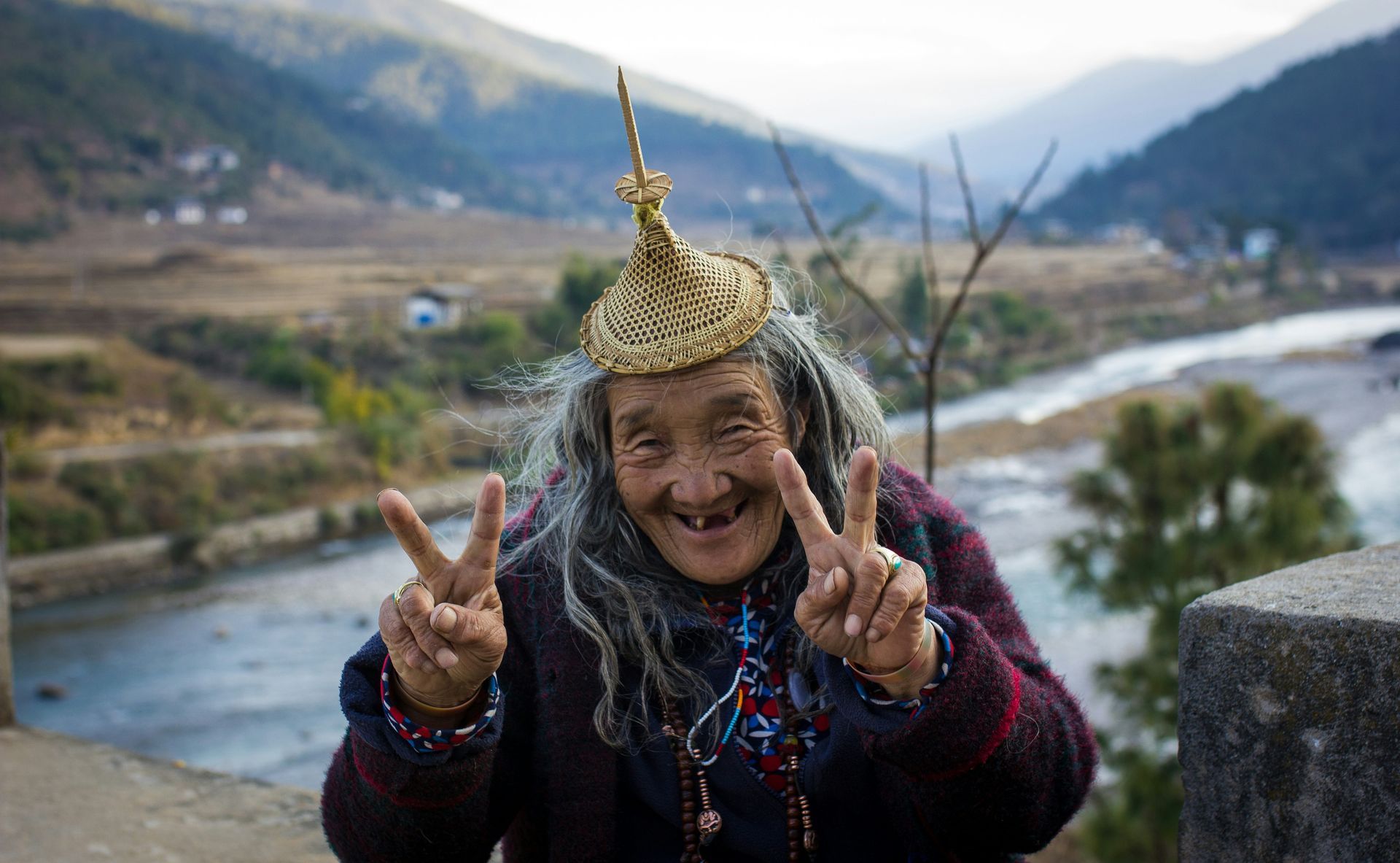
Bhutanese culture blends spirituality, tradition, and respect for nature. Daily life centers on monasteries, prayer flags, festivals, and rituals that preserve centuries-old customs. Traditional dress—the gho for men and kira for women—reflects national pride. Vibrant arts, architecture, and community celebrations showcase a culture deeply connected to heritage, mindfulness, and harmony with the environment.
Festivals & Traditions
Bhutanese festivals, or tshechus, feature masked dances, music, and rituals celebrating Buddhism. Communities wear traditional dress—the gho for men and kira for women—during events like Paro Tshechu and Thimphu Tshechu. These lively celebrations highlight Bhutan’s cultural heritage, spiritual devotion, and centuries-old customs, offering travelers an immersive glimpse into the nation’s vibrant traditions.
Buddhism & Daily Life
Buddhism shapes daily life in Bhutan, from prayer wheels and mountain monasteries to communal rituals. Traditional dress, such as the gho and kira, symbolizes cultural pride, while mindfulness, compassion, and respect for others guide social behavior. Spiritual practices influence both public life and personal routines, reflecting Bhutan’s harmony between tradition, faith, and community.
Gross National Happiness
Bhutan measures progress by well-being, not wealth. Gross National Happiness balances economic growth, cultural preservation, environmental care, and spiritual wellness. This philosophy influences policies and daily life, ensuring harmony, contentment, and a mindful approach to development, and reflects Bhutan’s unique belief that true prosperity comes from balance between people, culture, and nature.
The Bhutanese Culture
Bhutanese culture blends spirituality, tradition, and respect for nature. Daily life centers on monasteries, prayer flags, festivals, and rituals that preserve centuries-old customs. Traditional dress—the gho for men and kira for women—reflects national pride. Vibrant arts, architecture, and community celebrations showcase a culture deeply connected to heritage, mindfulness, and harmony with the environment.
Festivals & Traditions
Bhutanese festivals, or tshechus, feature masked dances, music, and rituals celebrating Buddhism. Communities wear traditional dress—the gho for men and kira for women—during events like Paro Tshechu and Thimphu Tshechu. These lively celebrations highlight Bhutan’s cultural heritage, spiritual devotion, and centuries-old customs, offering travelers an immersive glimpse into the nation’s vibrant traditions.
Buddhism & Daily Life
Buddhism shapes daily life in Bhutan, from prayer wheels and mountain monasteries to communal rituals. Traditional dress, such as the gho and kira, symbolizes cultural pride, while mindfulness, compassion, and respect for others guide social behavior. Spiritual practices influence both public life and personal routines, reflecting Bhutan’s harmony between tradition, faith, and community.
Gross National Happiness
Bhutan measures progress by well-being, not wealth. Gross National Happiness balances economic growth, cultural preservation, environmental care, and spiritual wellness. This philosophy influences policies and daily life, ensuring harmony, contentment, and a mindful approach to development, and reflects Bhutan’s unique belief that true prosperity comes from balance between people, culture, and nature.
Featured Destinations
Slide title
Thimphu
Button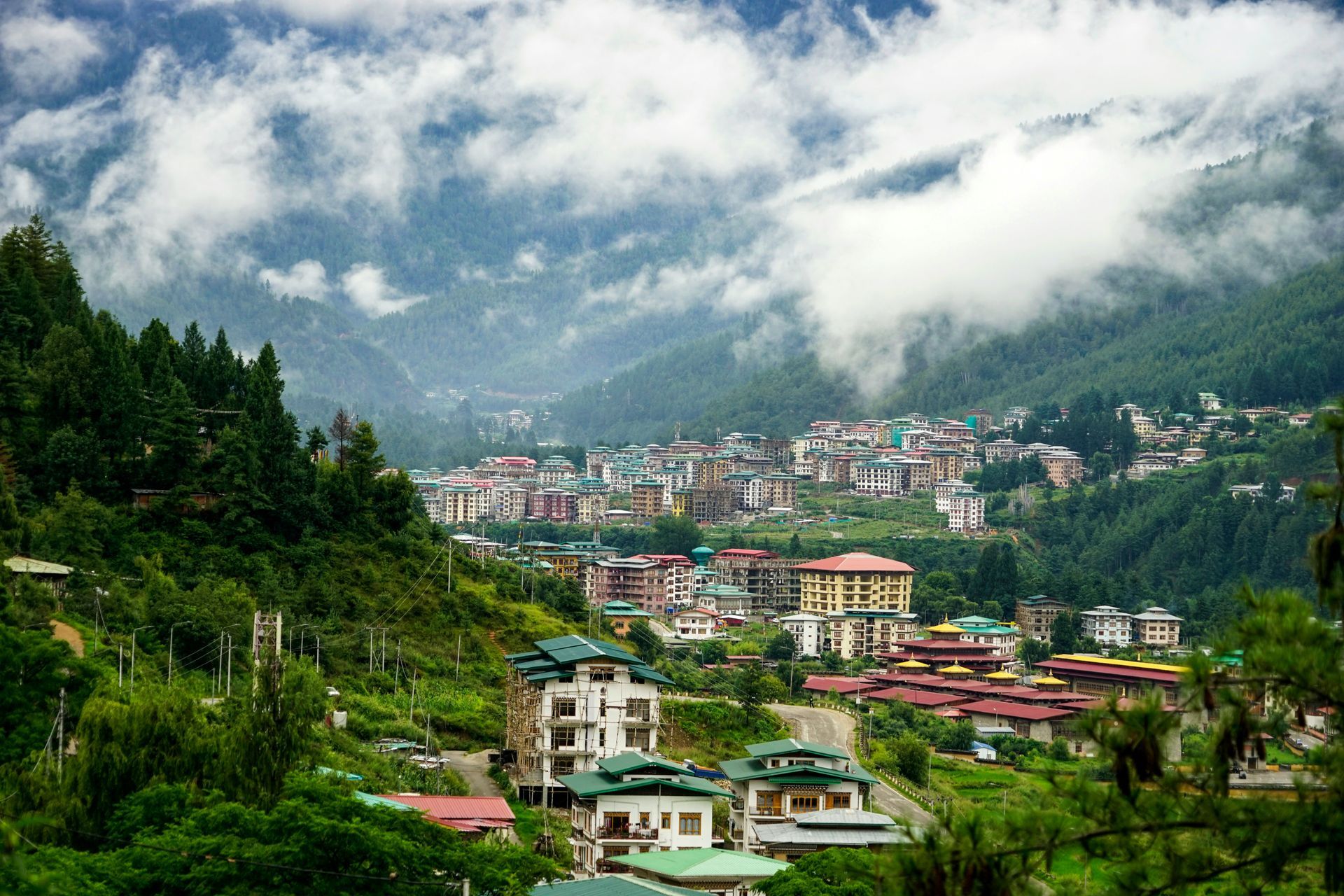
Slide title
Thimphu
Button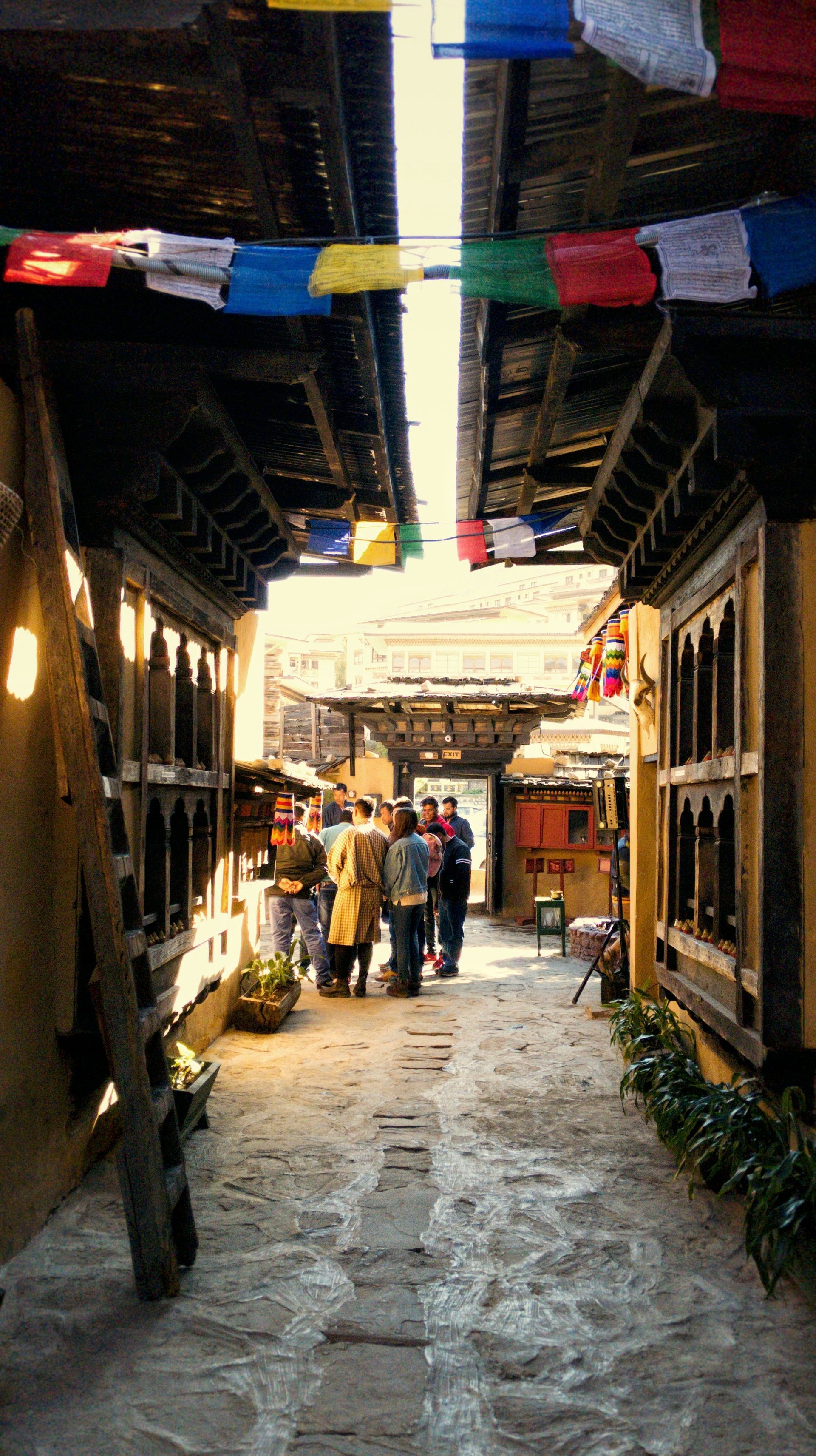
Slide title
Thimphu
Button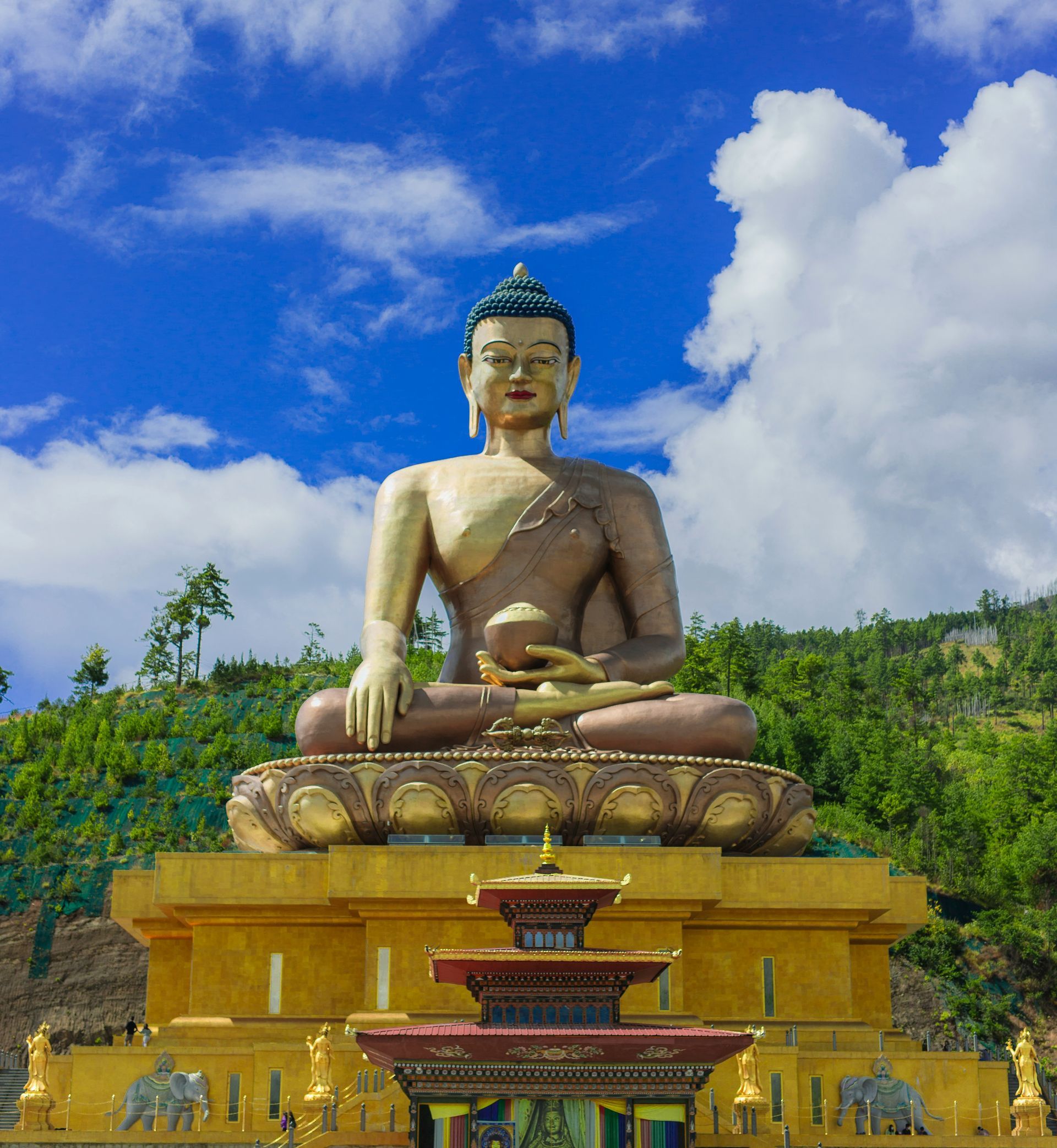
Slide title
Thimphu
Button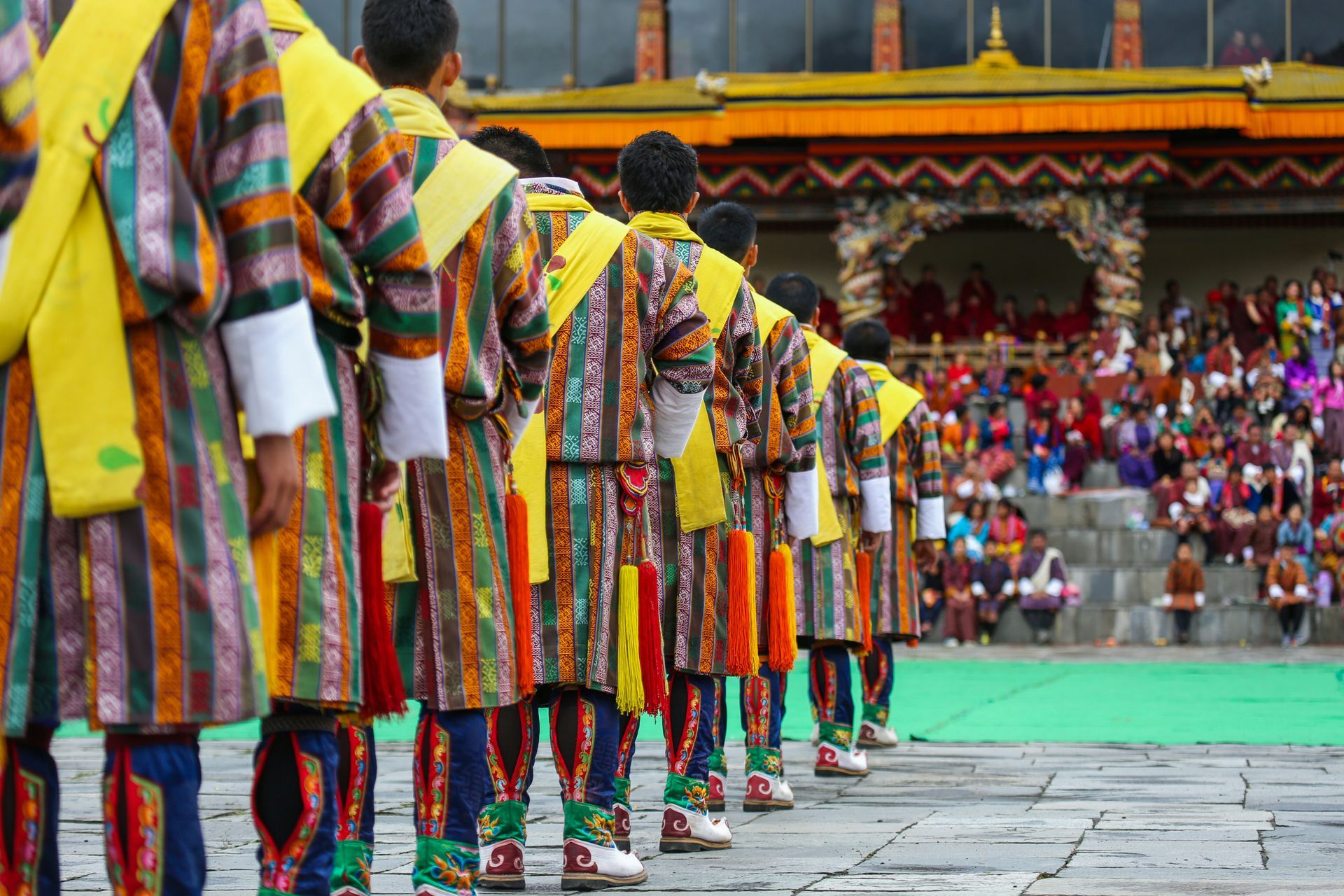
Slide title
Thimphu
Button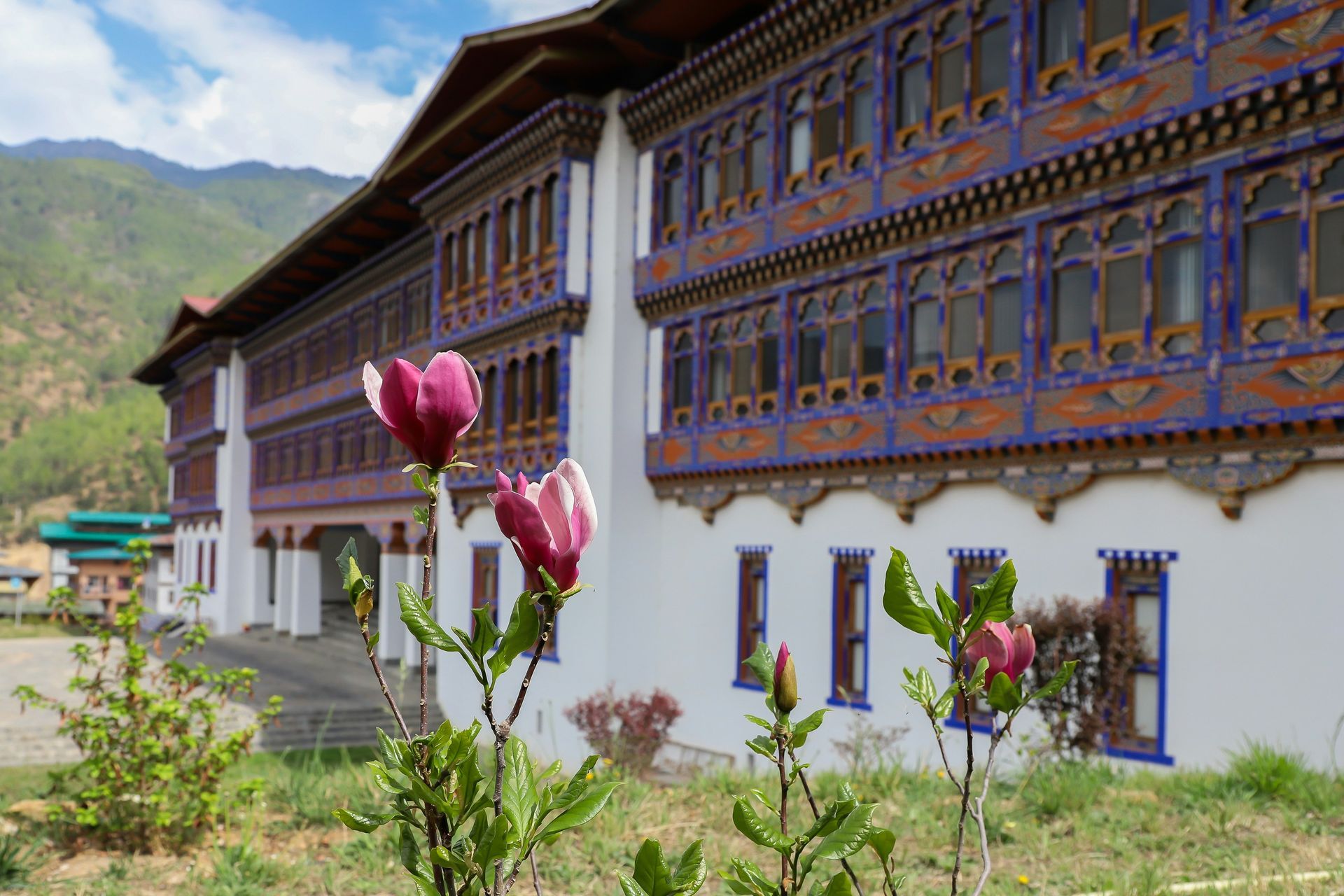
Slide title
Thimphu
Button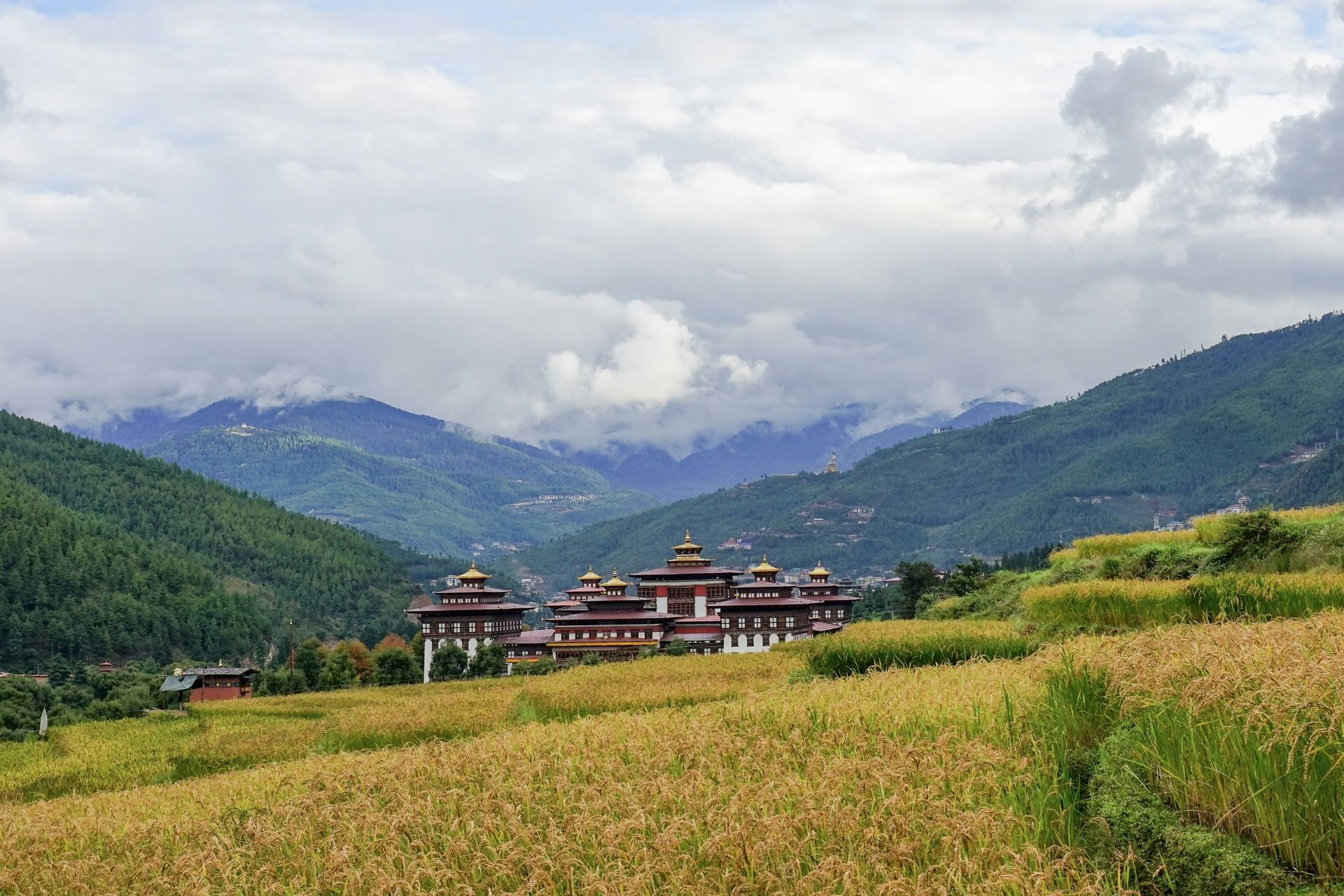
Slide title
Thimphu
Button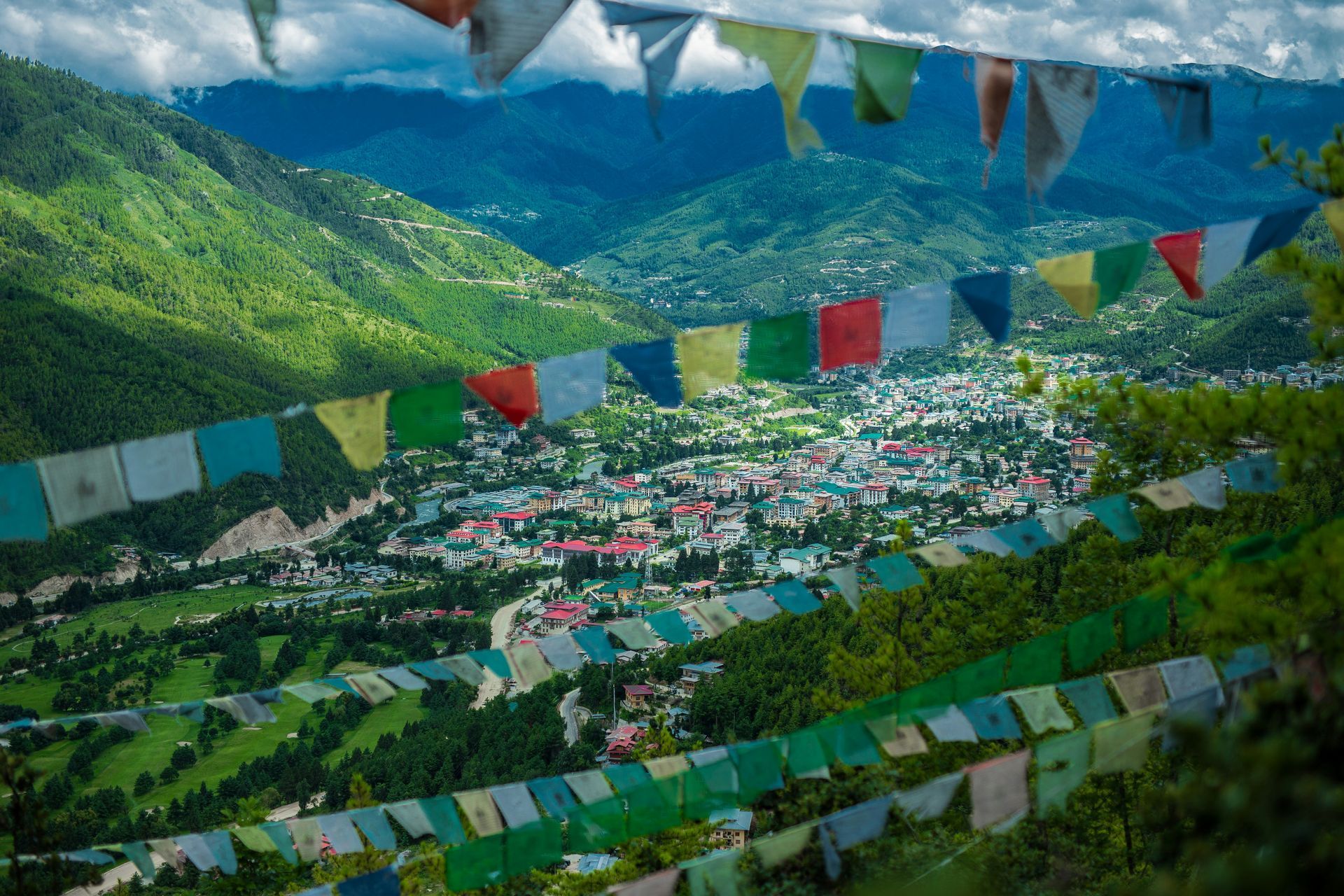
Slide title
Thimphu
Button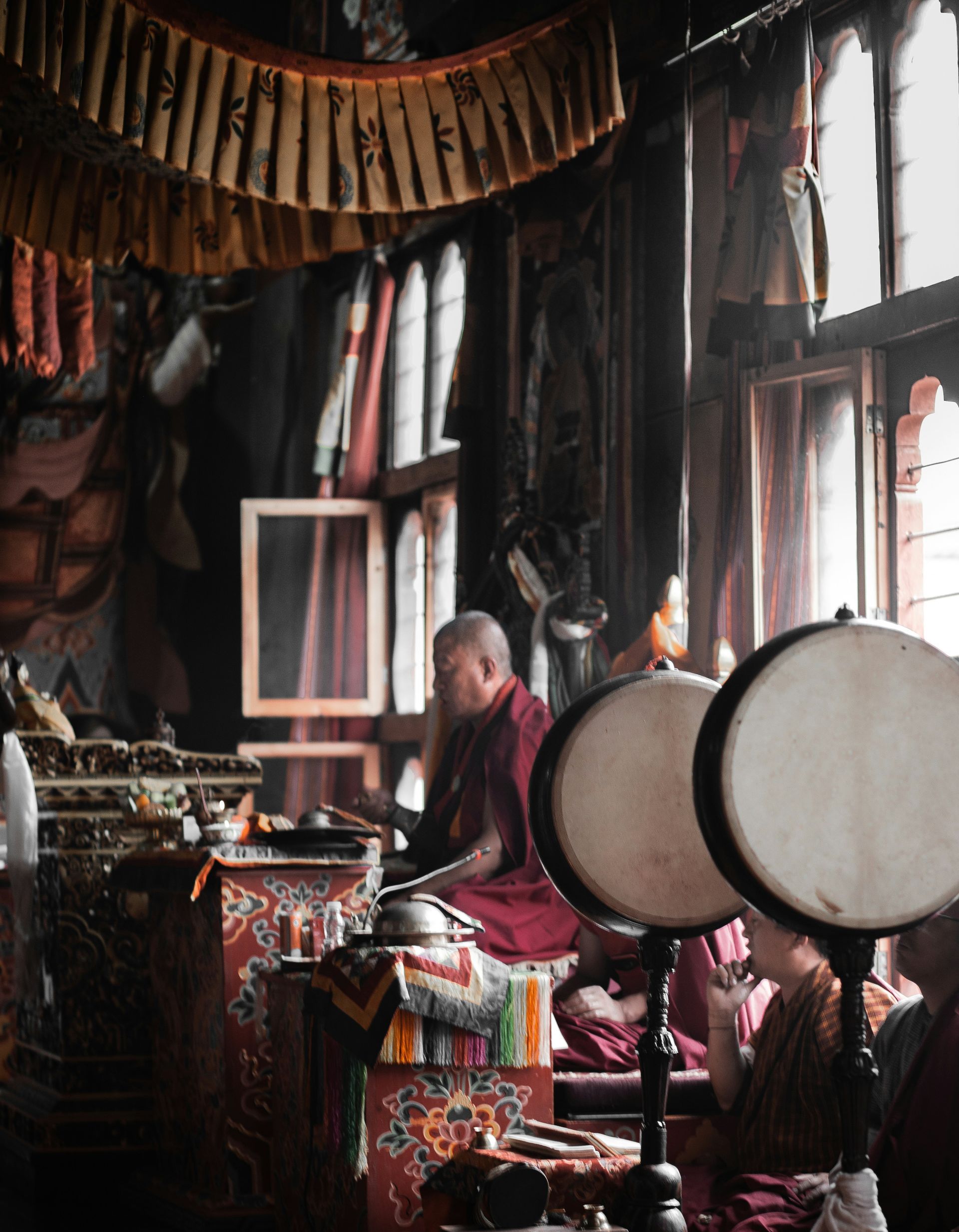
Slide title
Thimphu
Button
Slide title
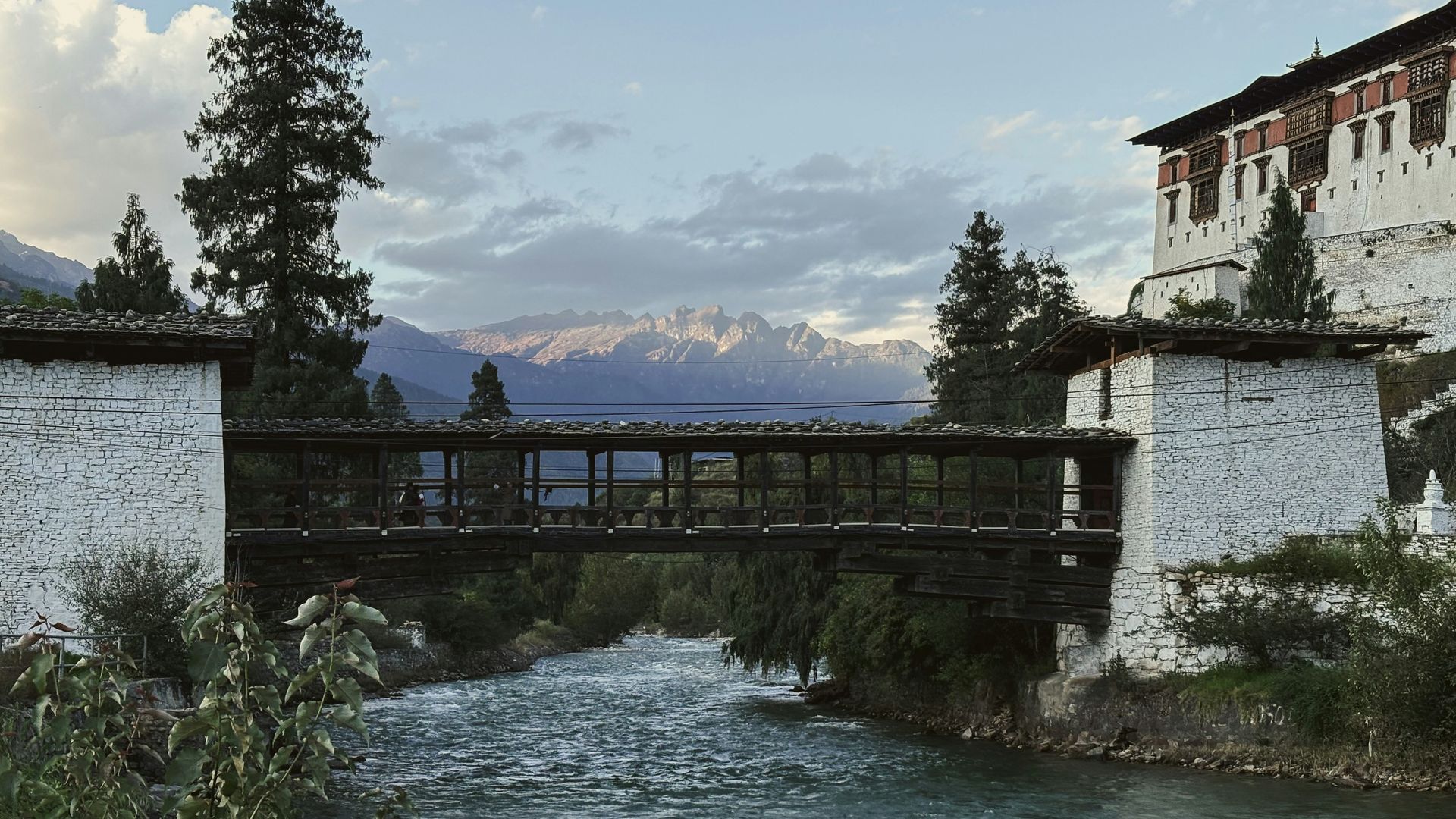
Paro
Button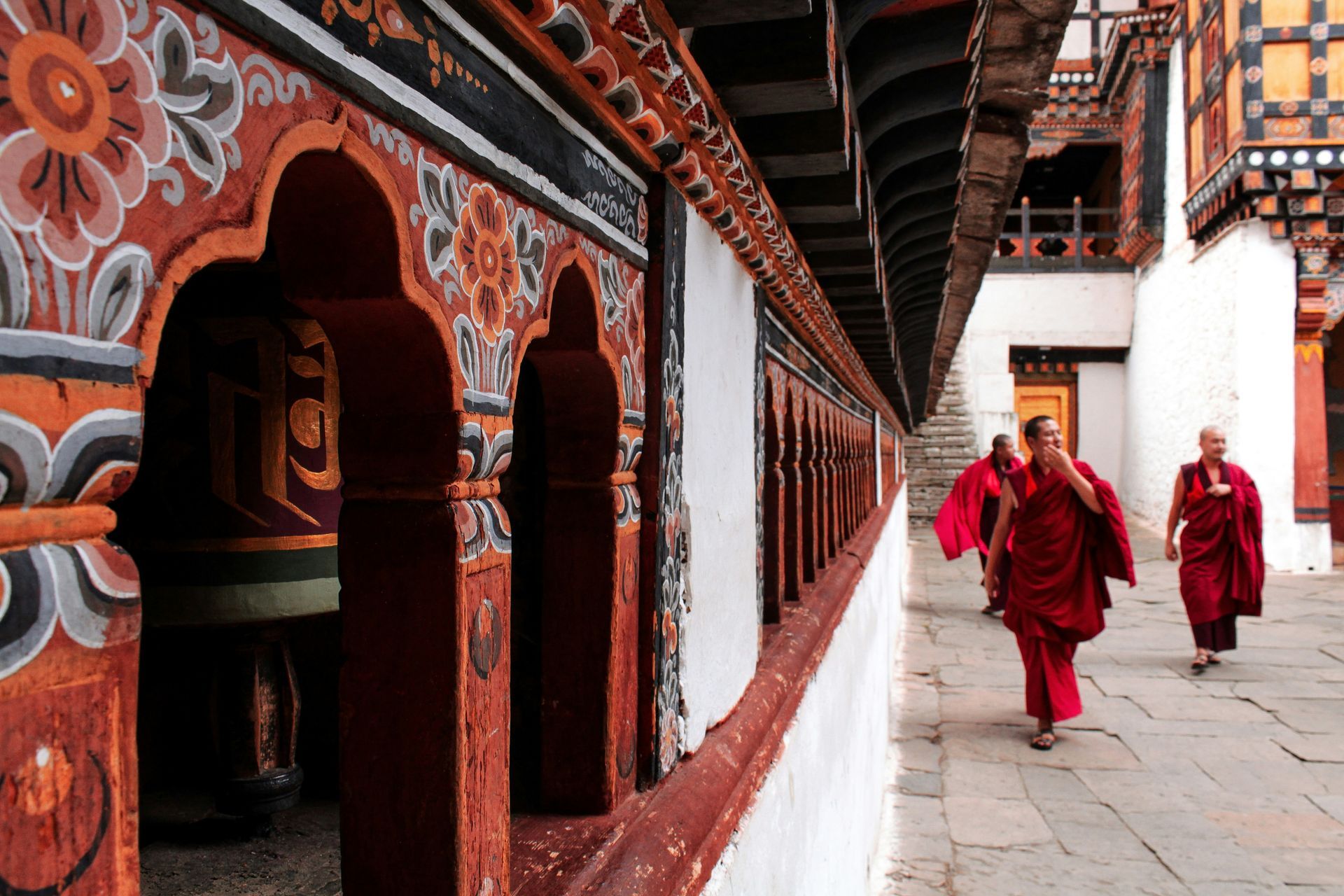
Slide title
Paro
Button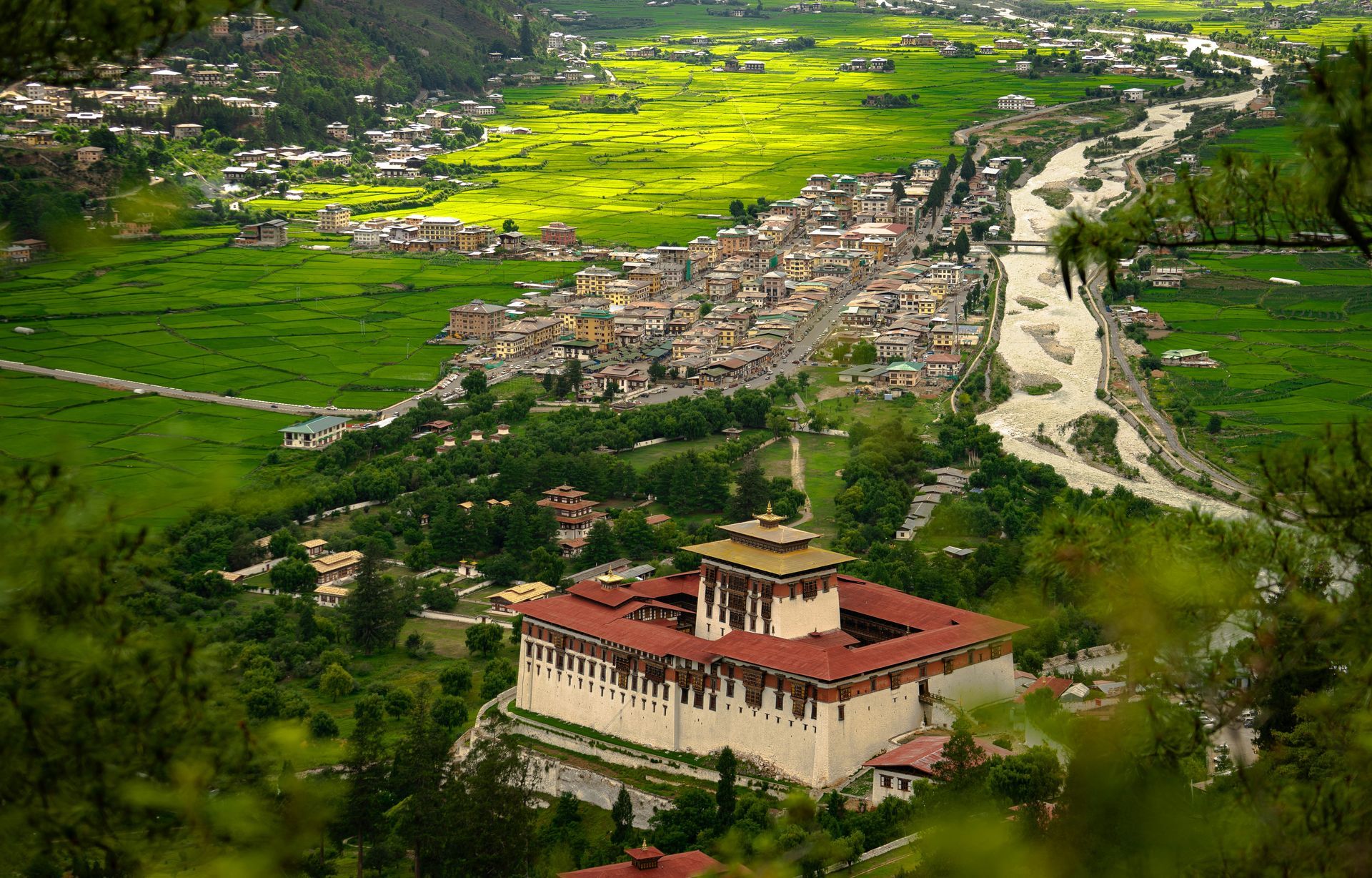
Slide title
Paro
Button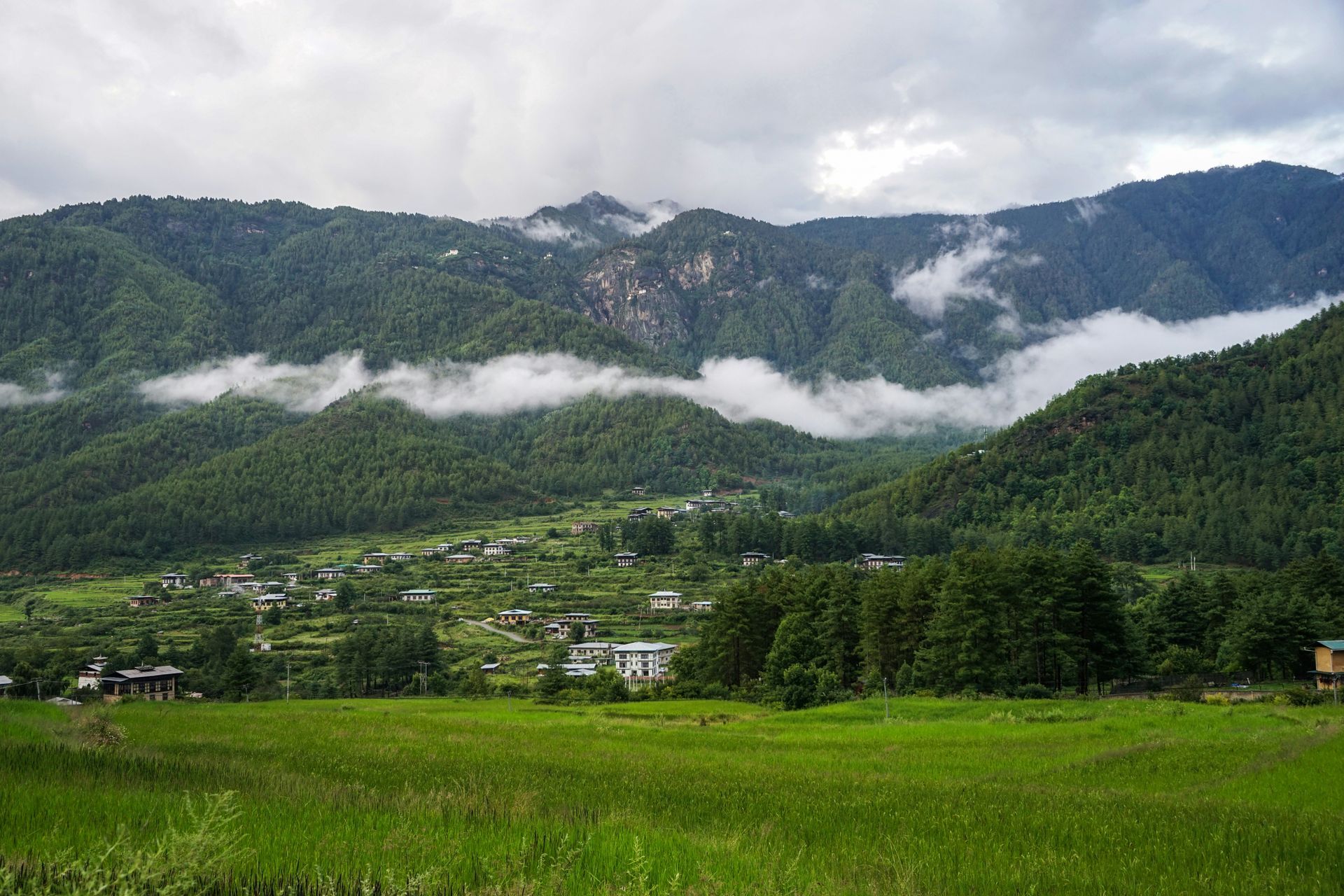
Slide title
Paro
Button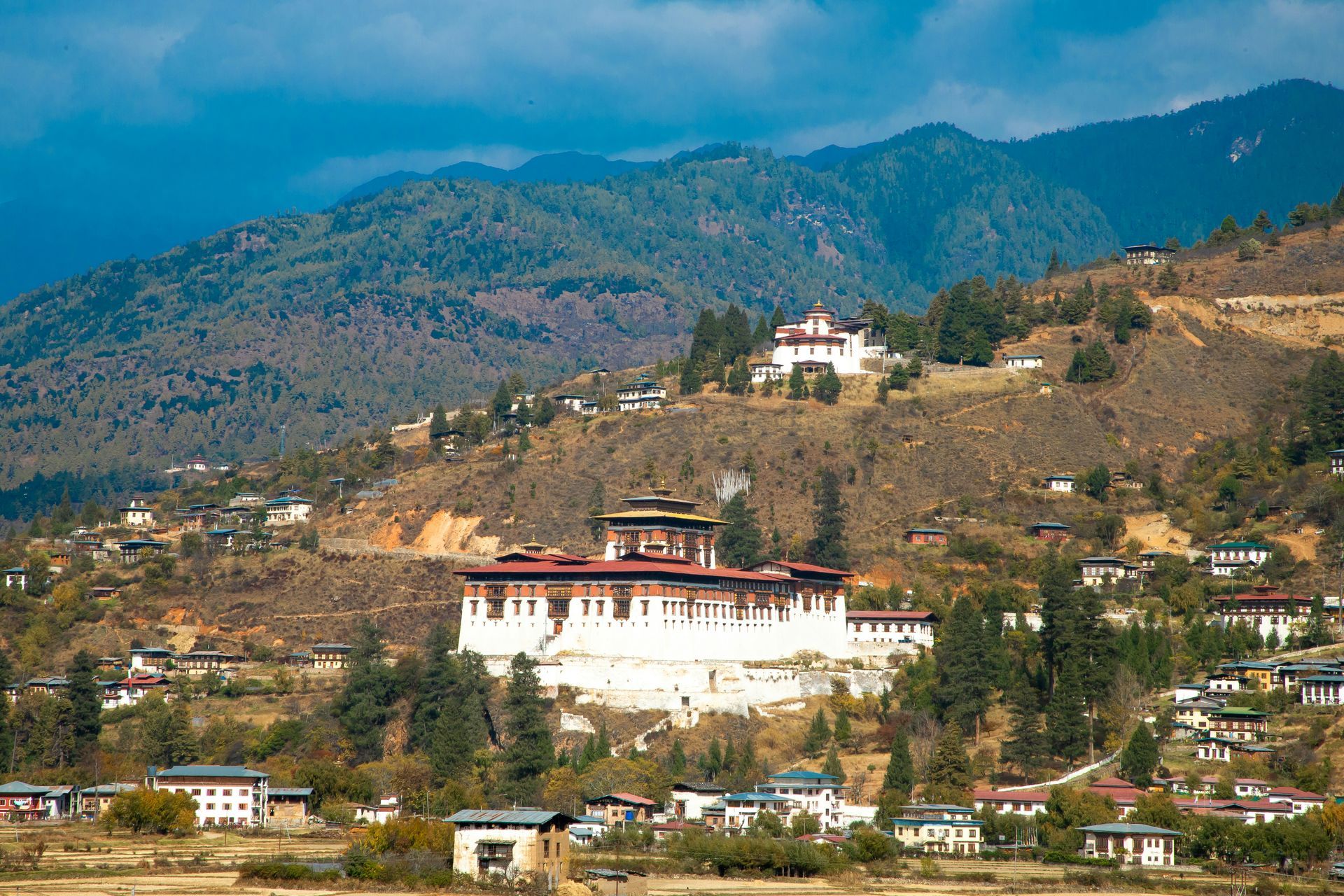
Slide title
Paro
Button
Slide title
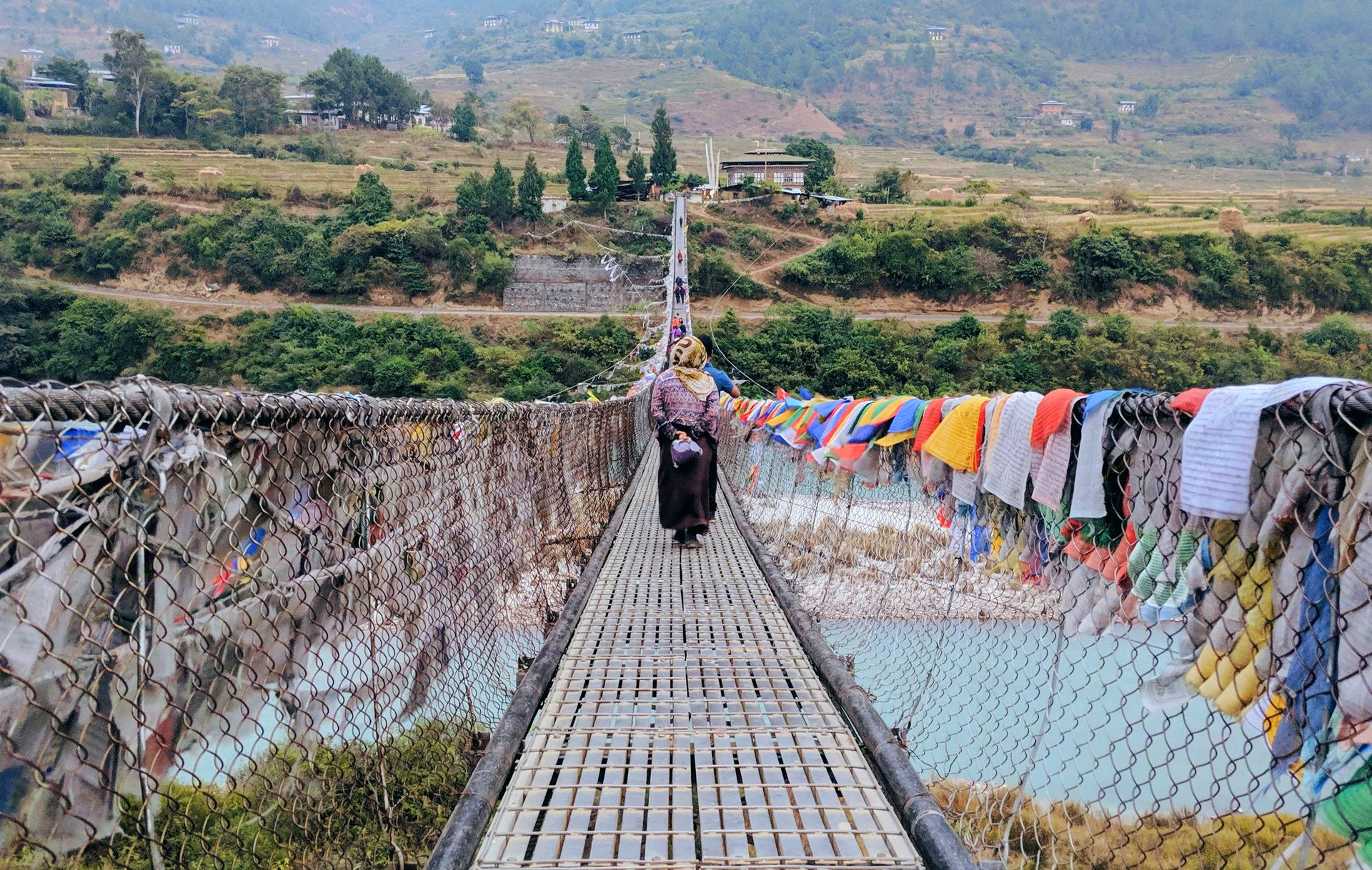
Punakha
Button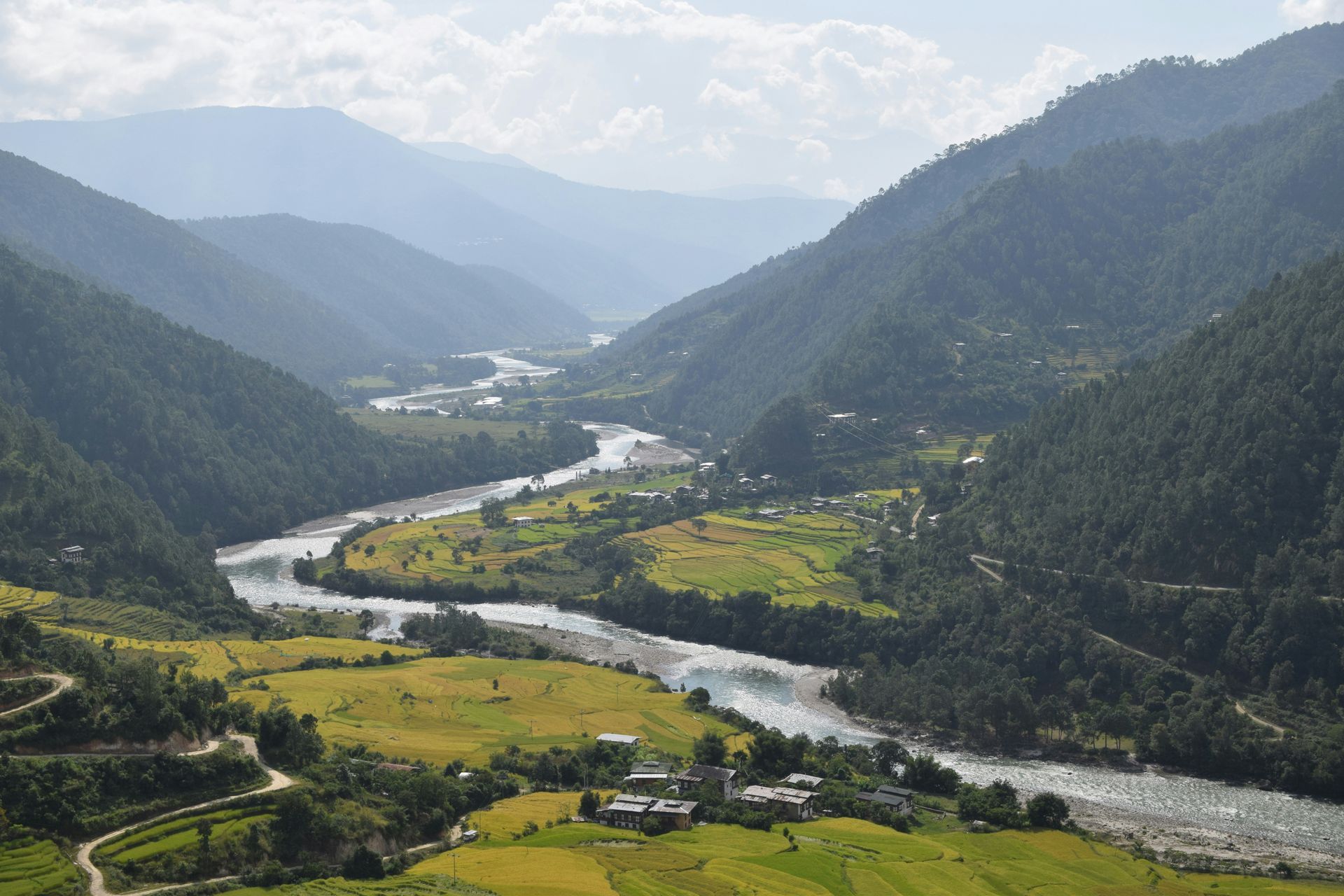
Slide title
Punakha
Button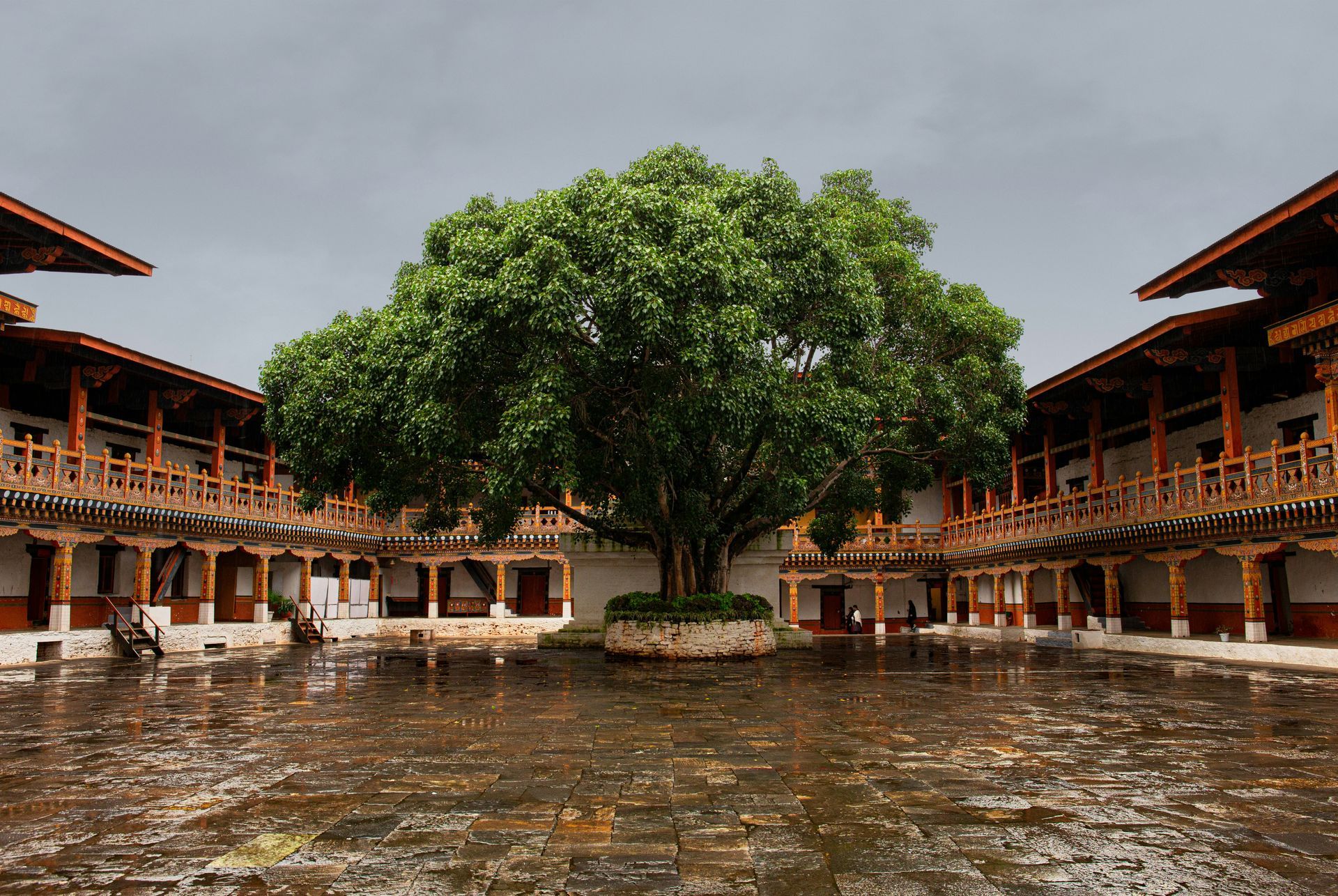
Slide title
Punakha
Button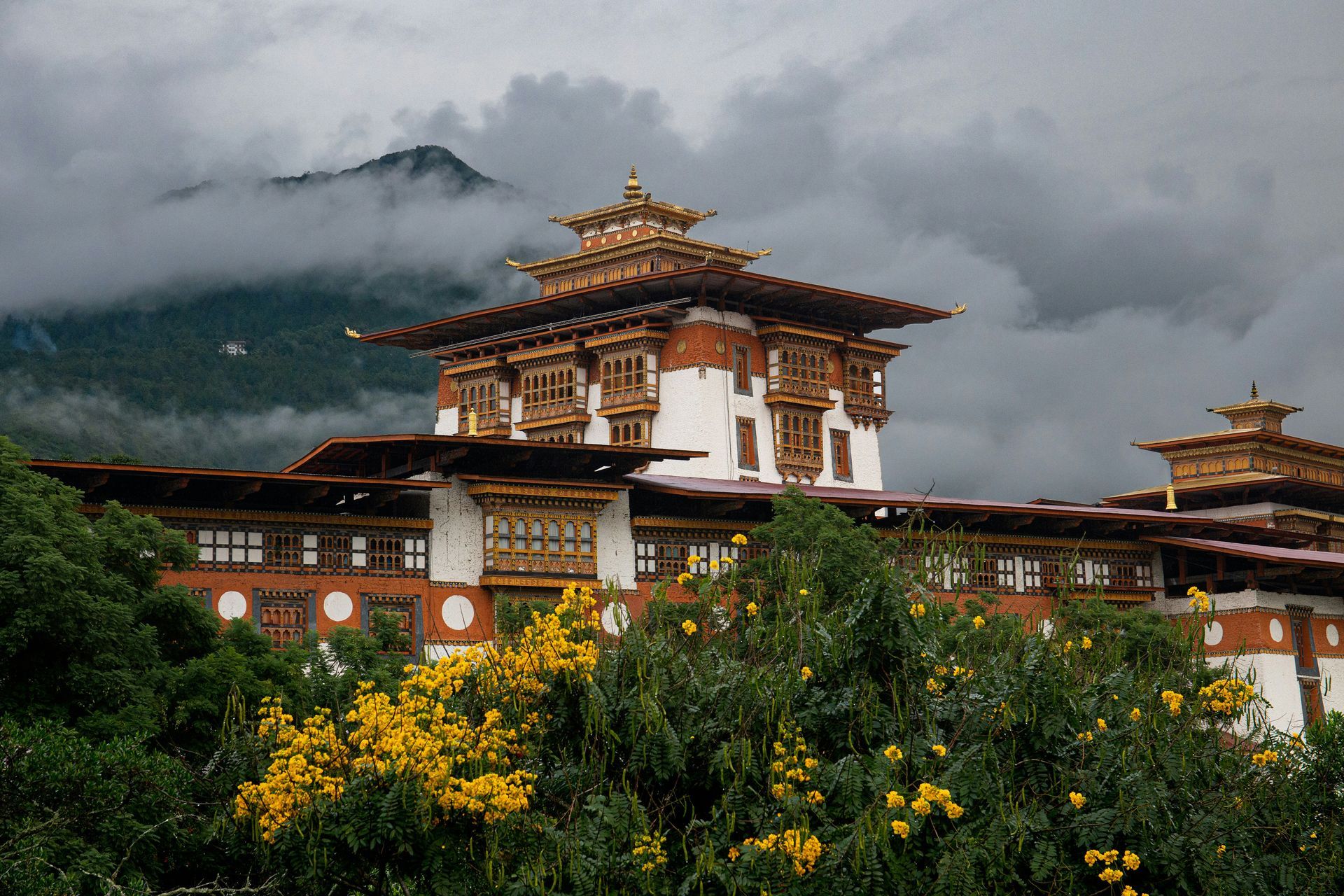
Slide title
Punakha
Button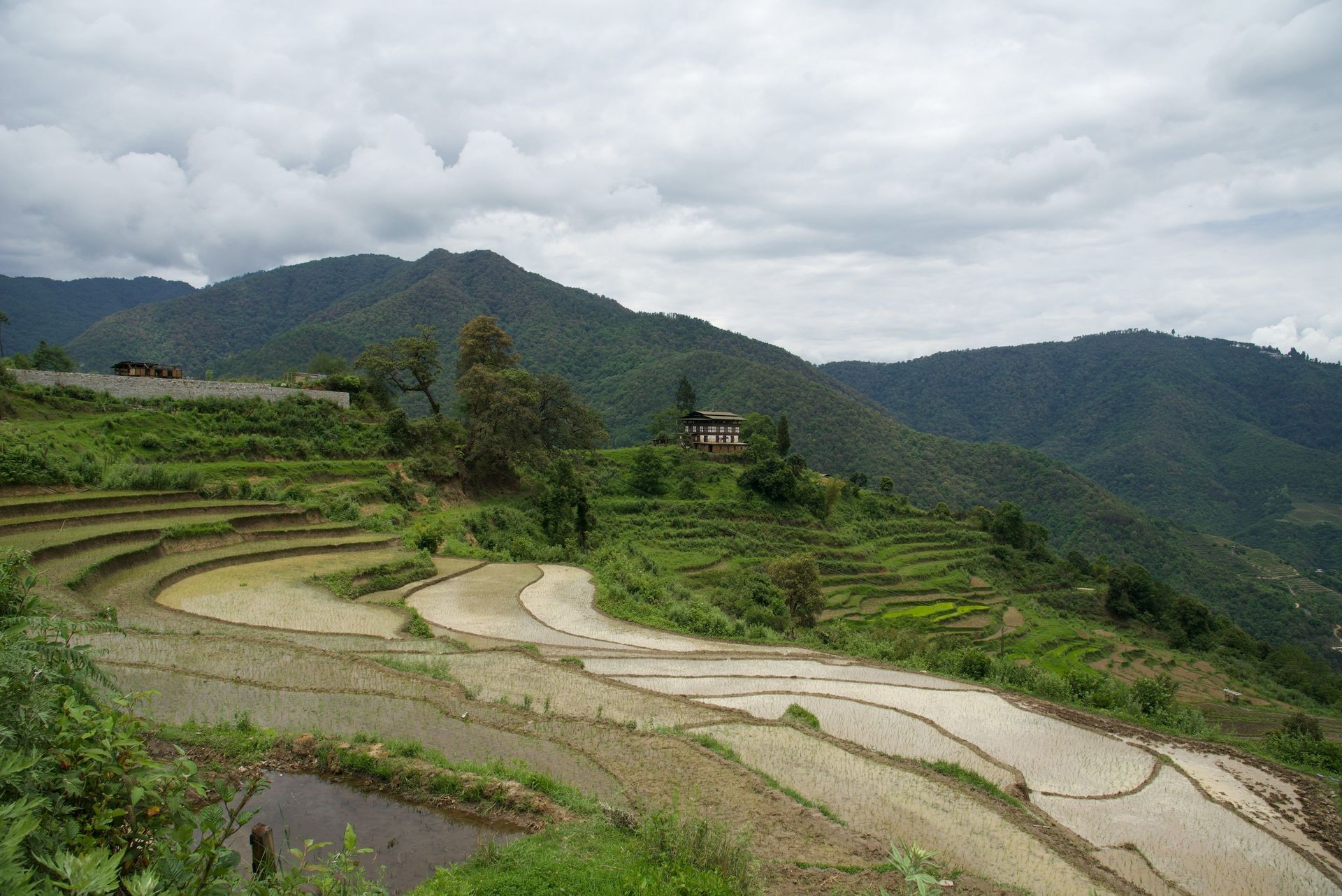
Slide title
Punakha
Button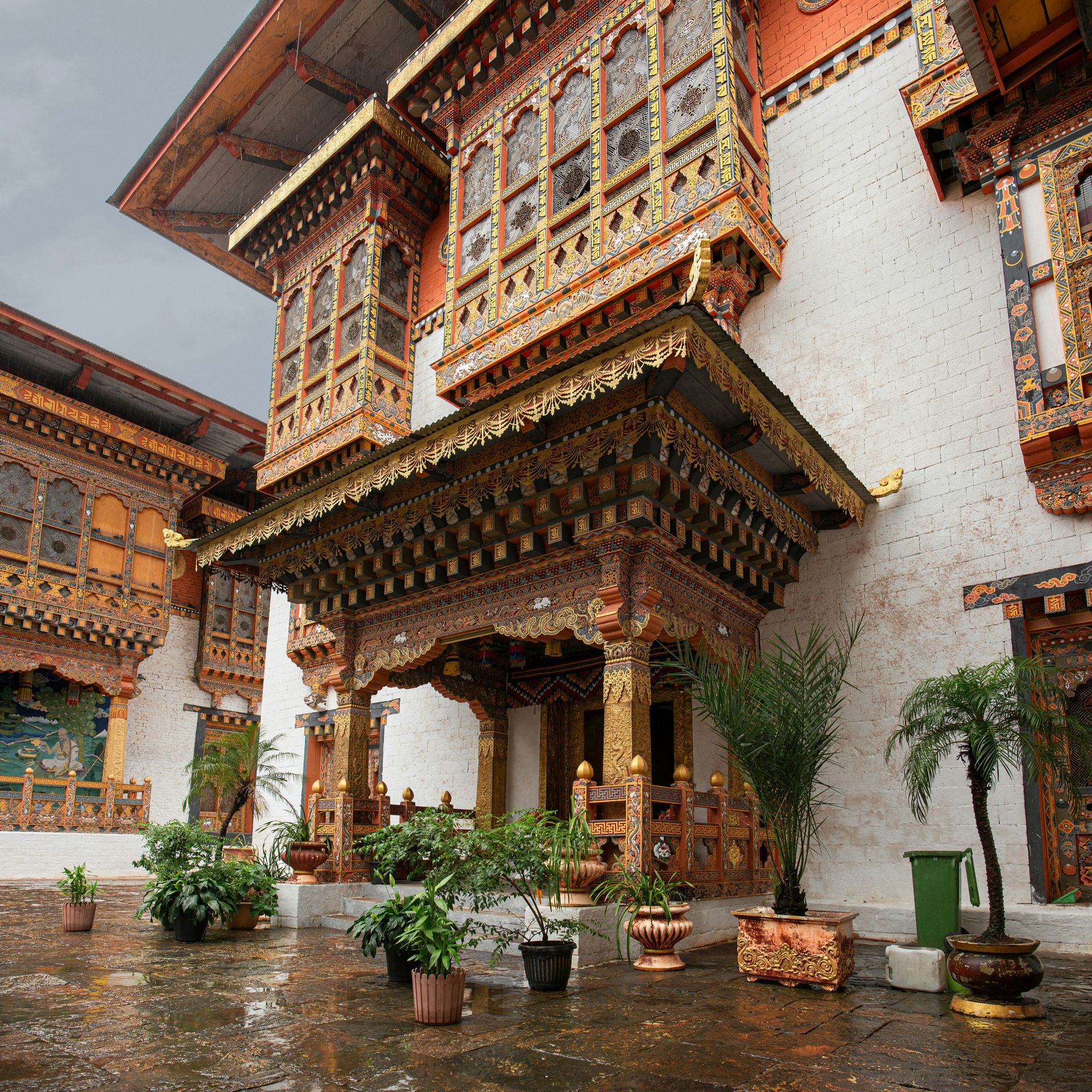
Slide title
Punakha
Button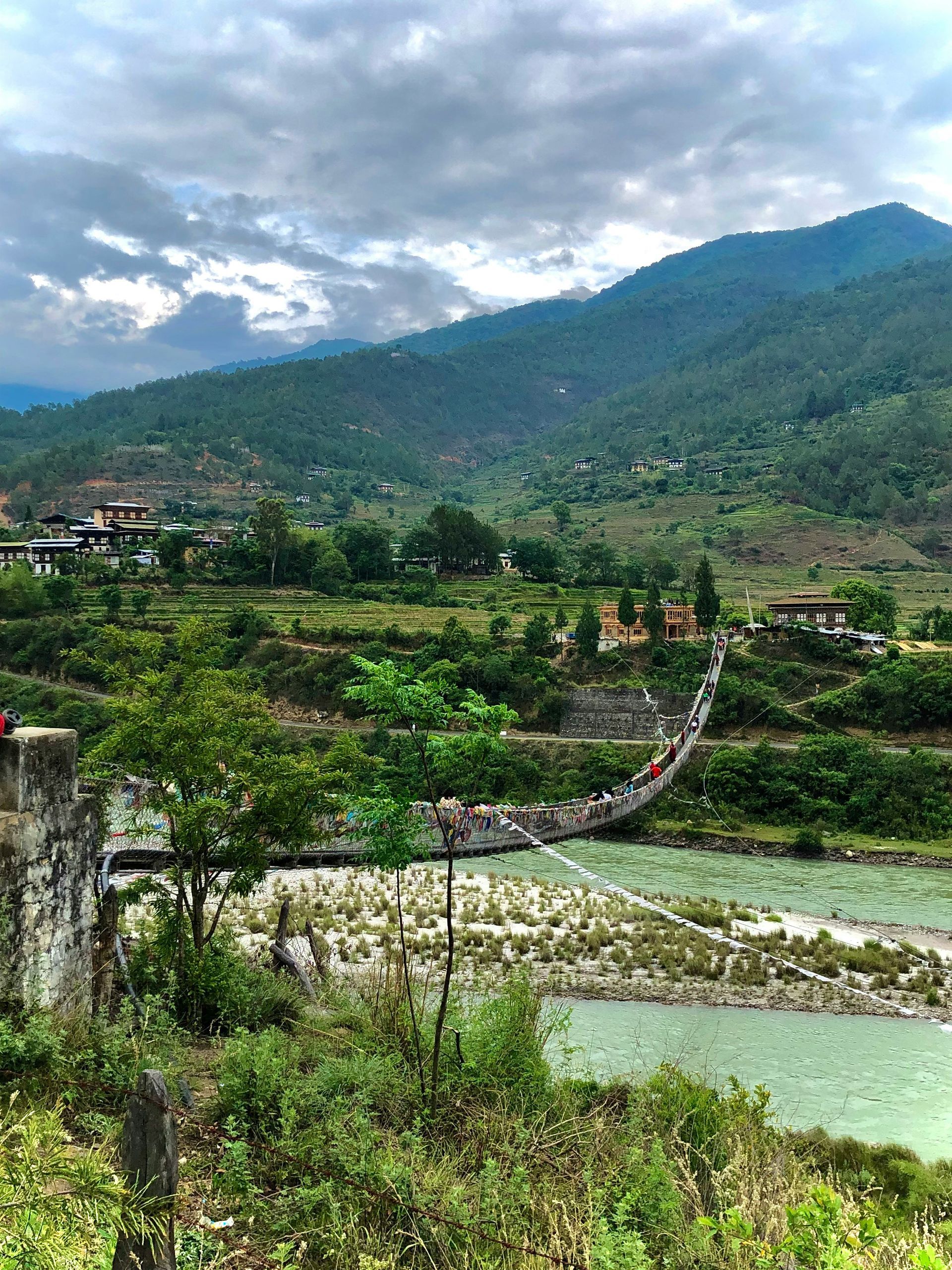
Slide title
Punakha
Button
Slide title
Punakha
Button
Slide title
Punakha
Button
Slide title
Punakha
Button
Slide title
Paro Taktsang
Button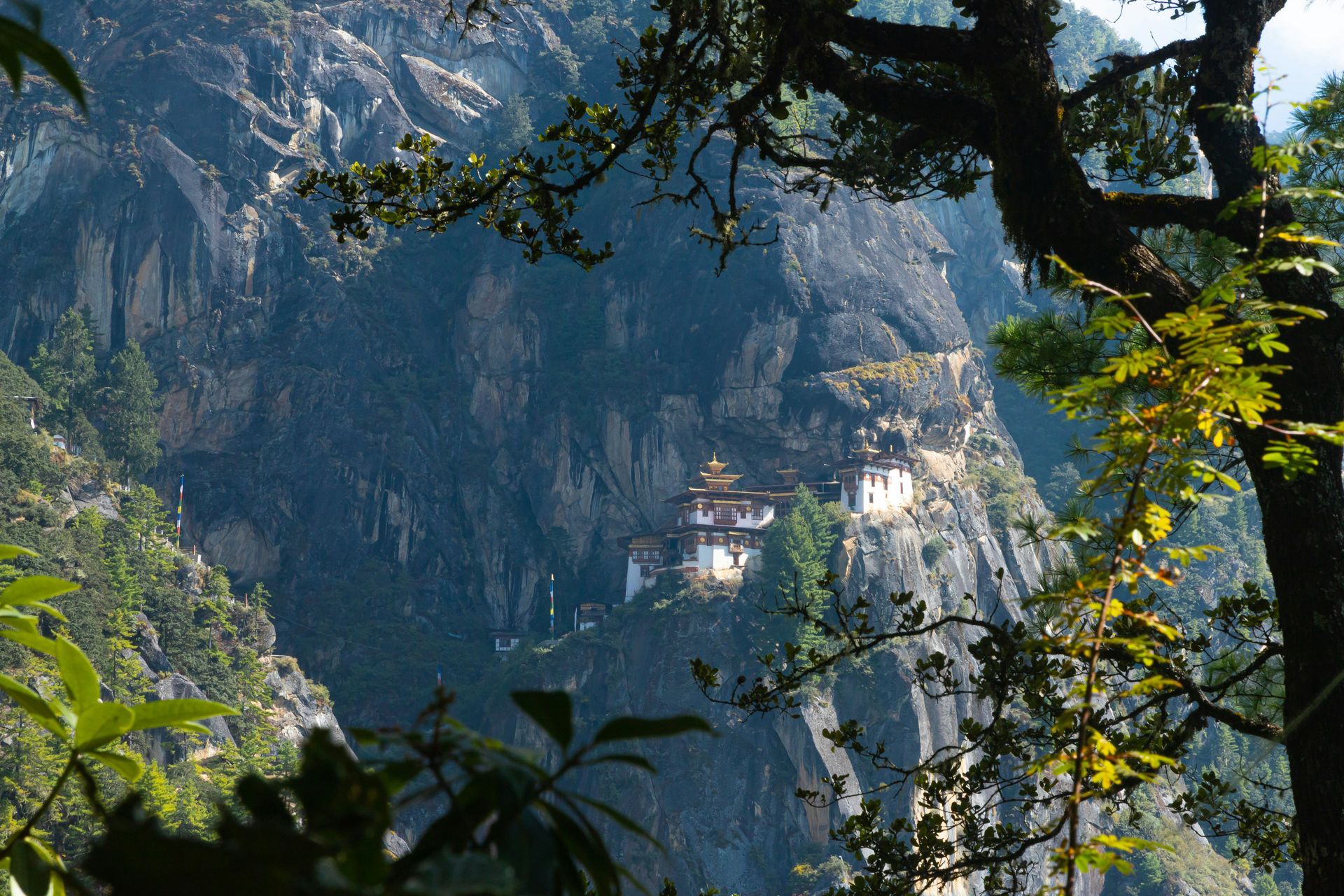
Slide title
Paro Taktsang
Button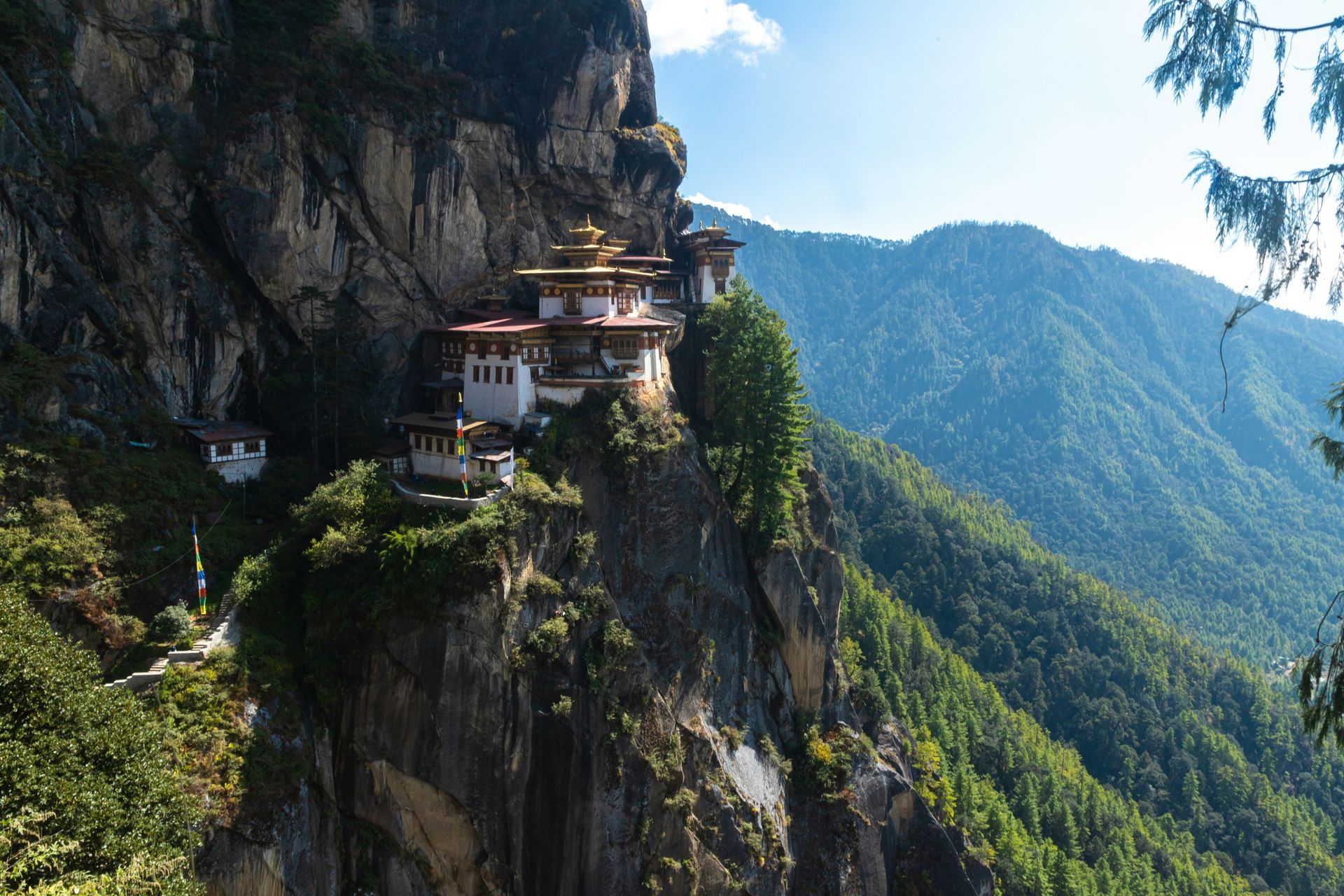
Slide title
Paro Taktsang
Button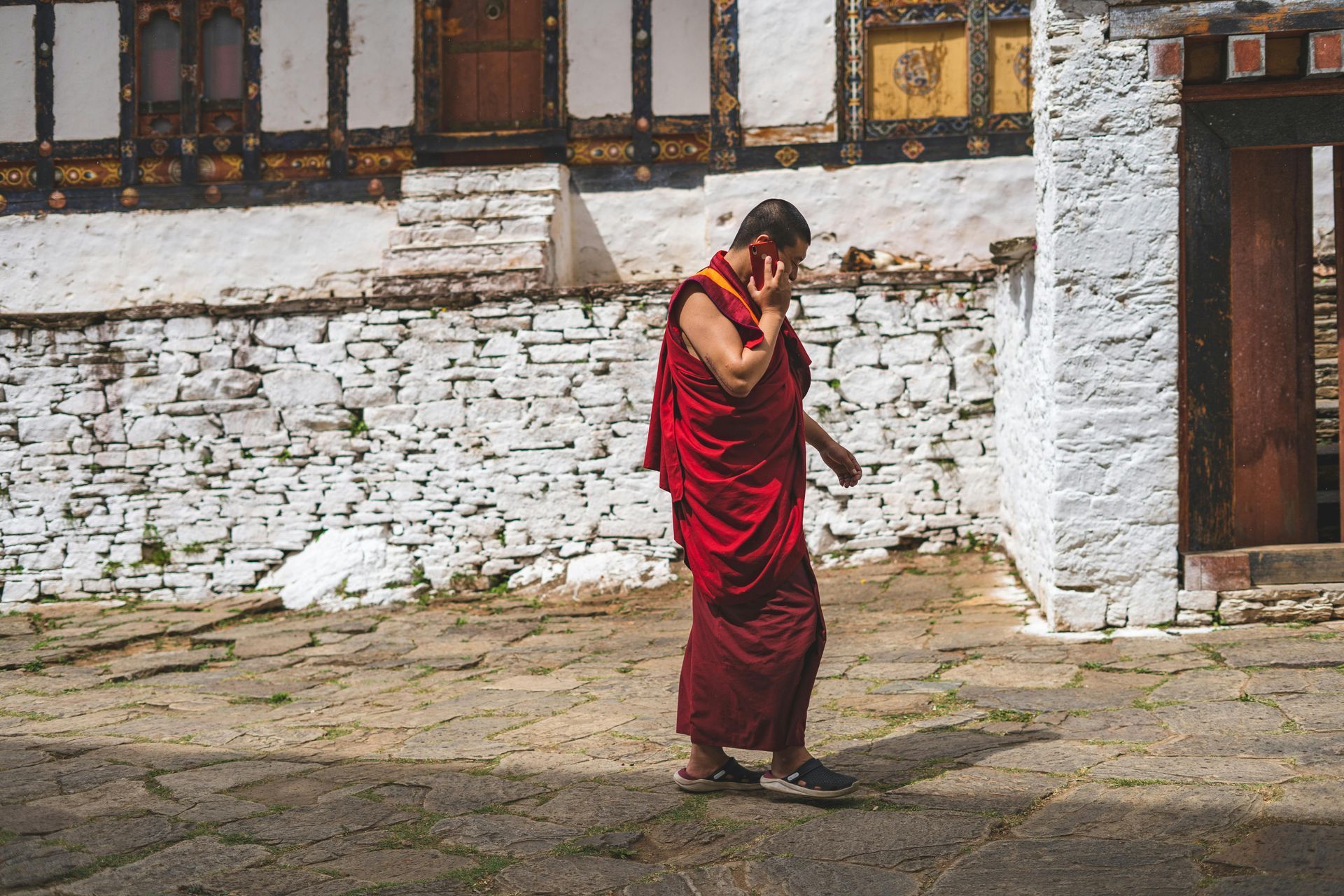
Slide title
Paro Taktsang
Button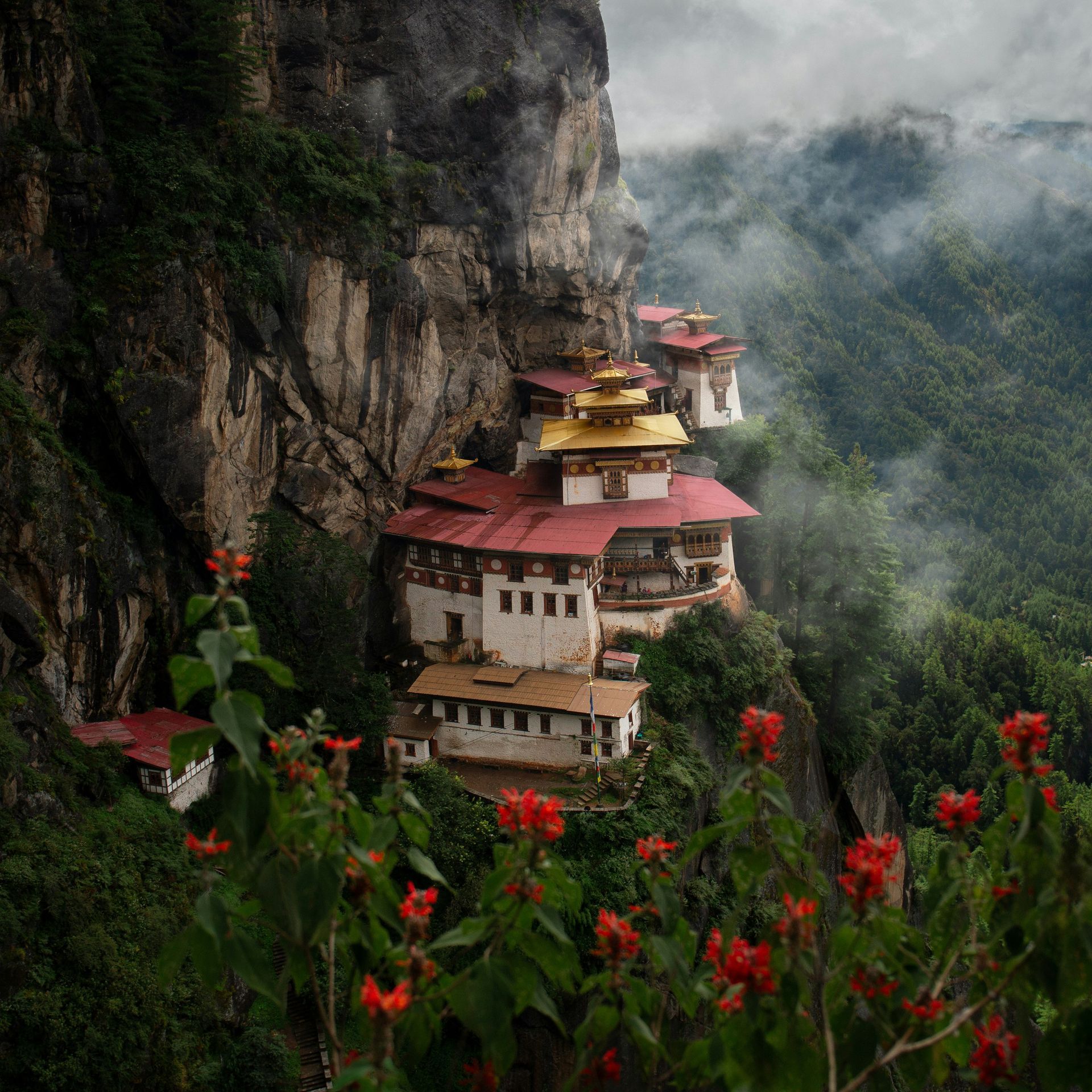
Slide title
Paro Taktsang
Button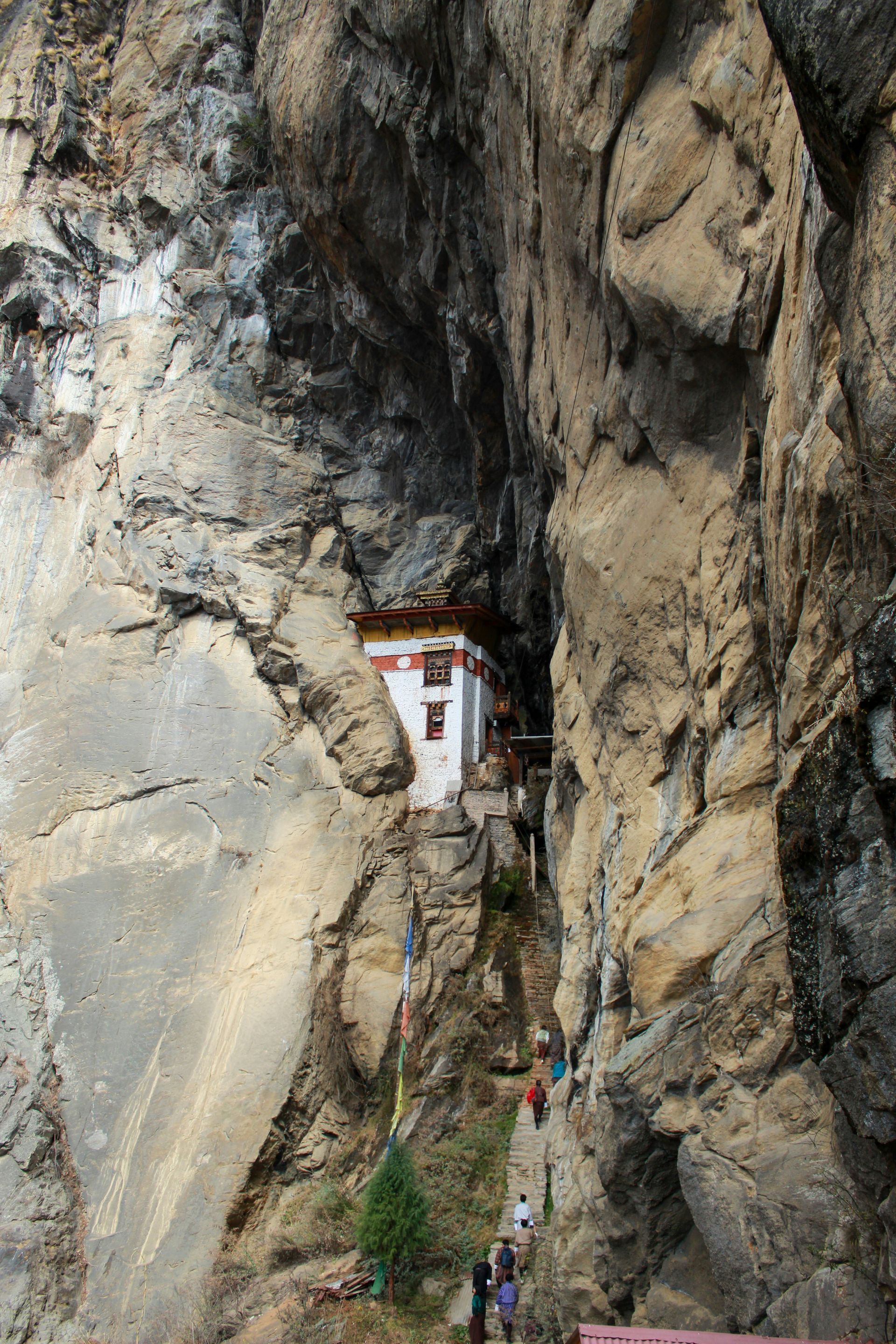
Slide title
Paro Taktsang
Button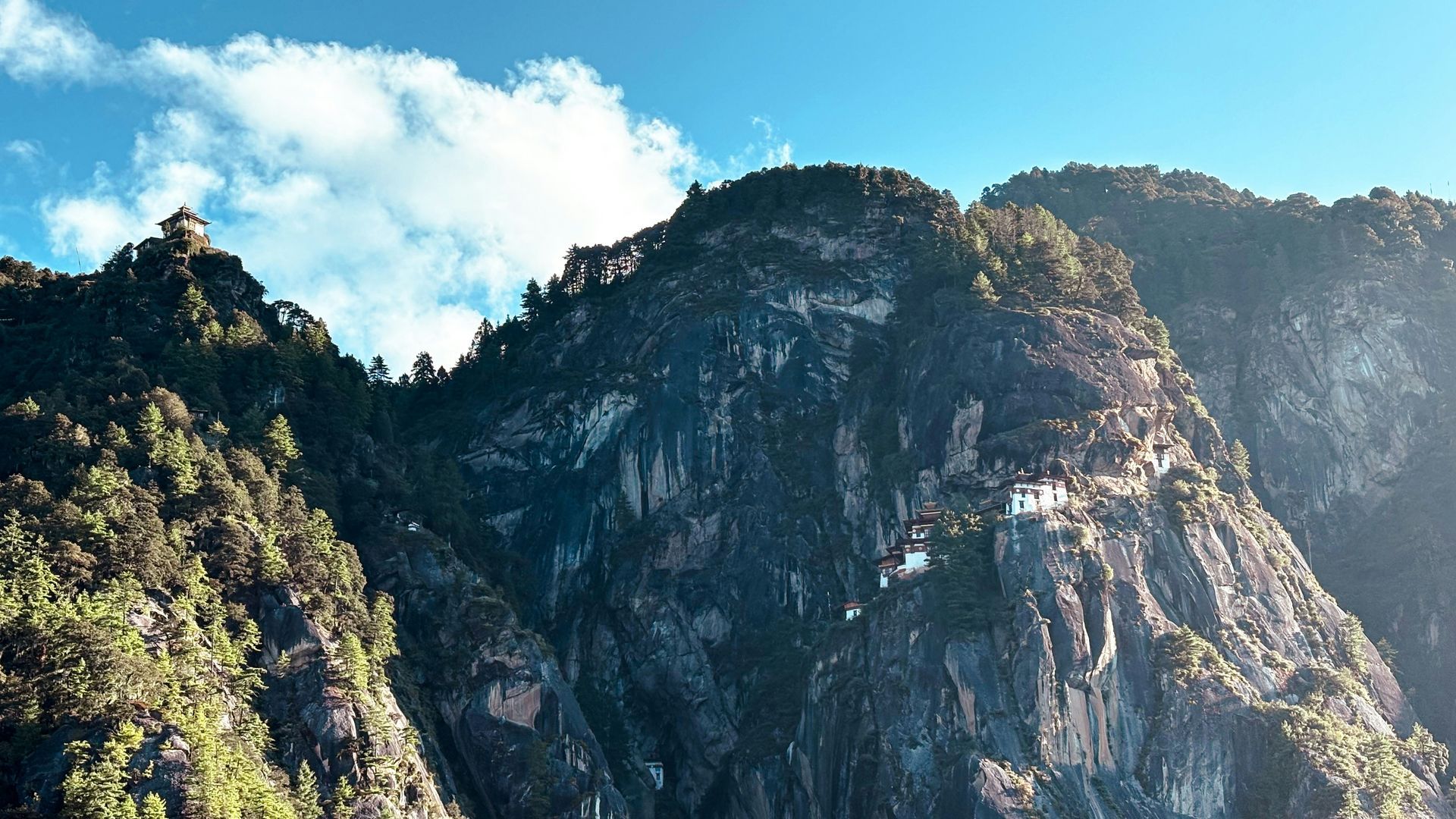
Slide title
Paro Taktsang
Button-
Slide title
Paro Taktsang
Button
Featured Destinations
Slide title
Kathmandu
Button
Slide title
Kathmandu
Button
Slide title
Kathmandu
Button
Slide title
Kathmandu
Button
Slide title
Kathmandu
Button
Slide title
Kathmandu
Button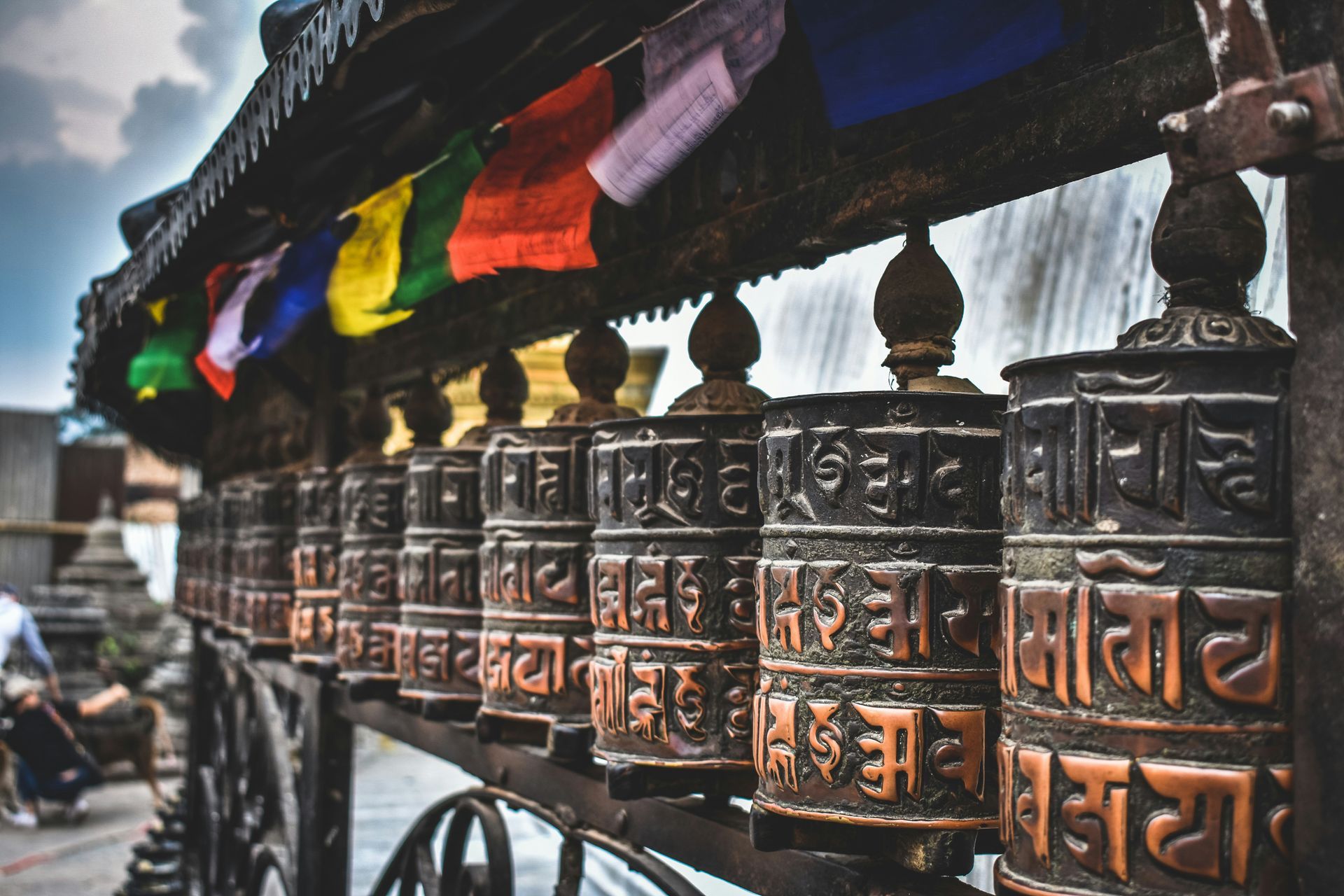
Slide title
Kathmandu
Button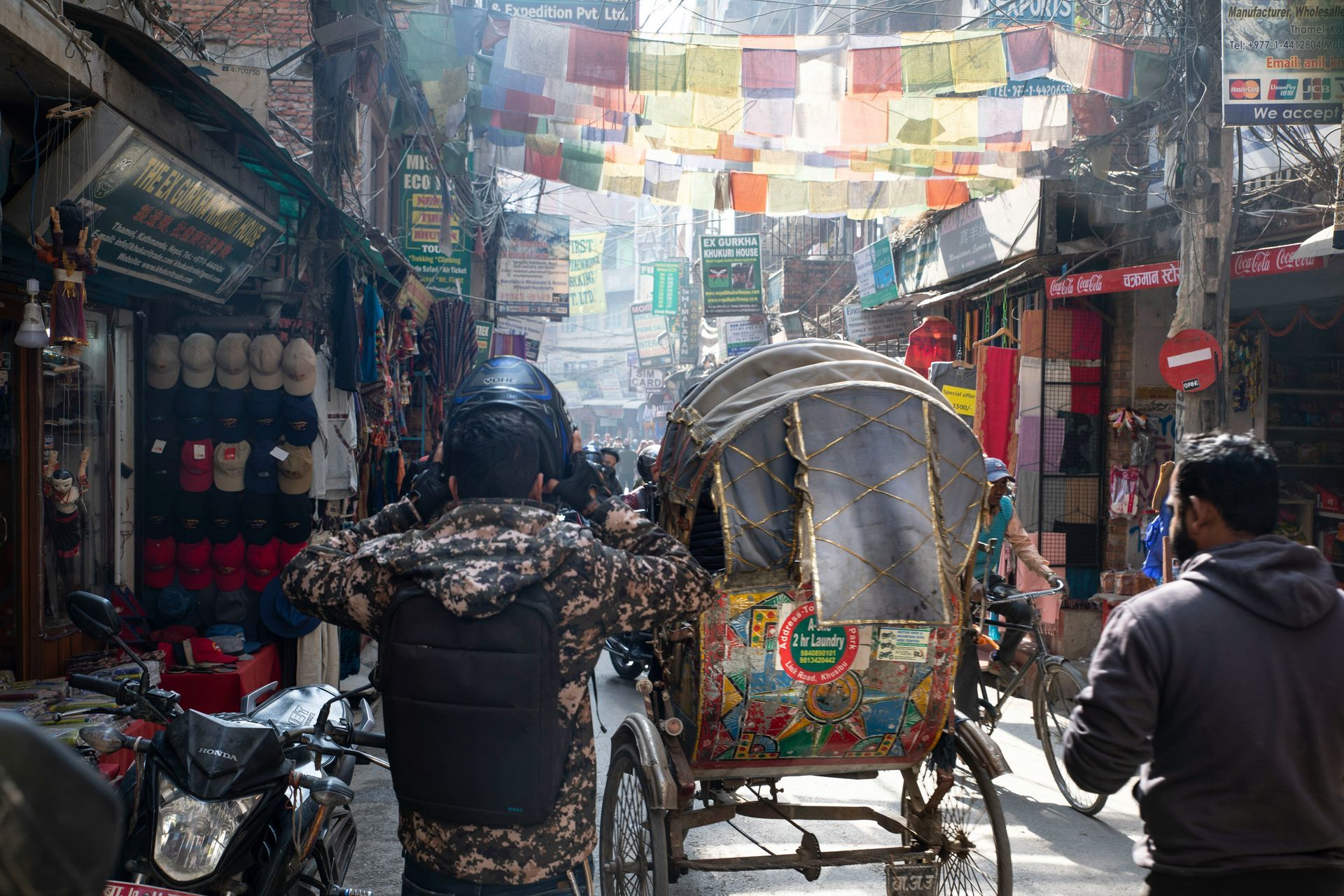
Slide title
Kathmandu
Button
Slide title
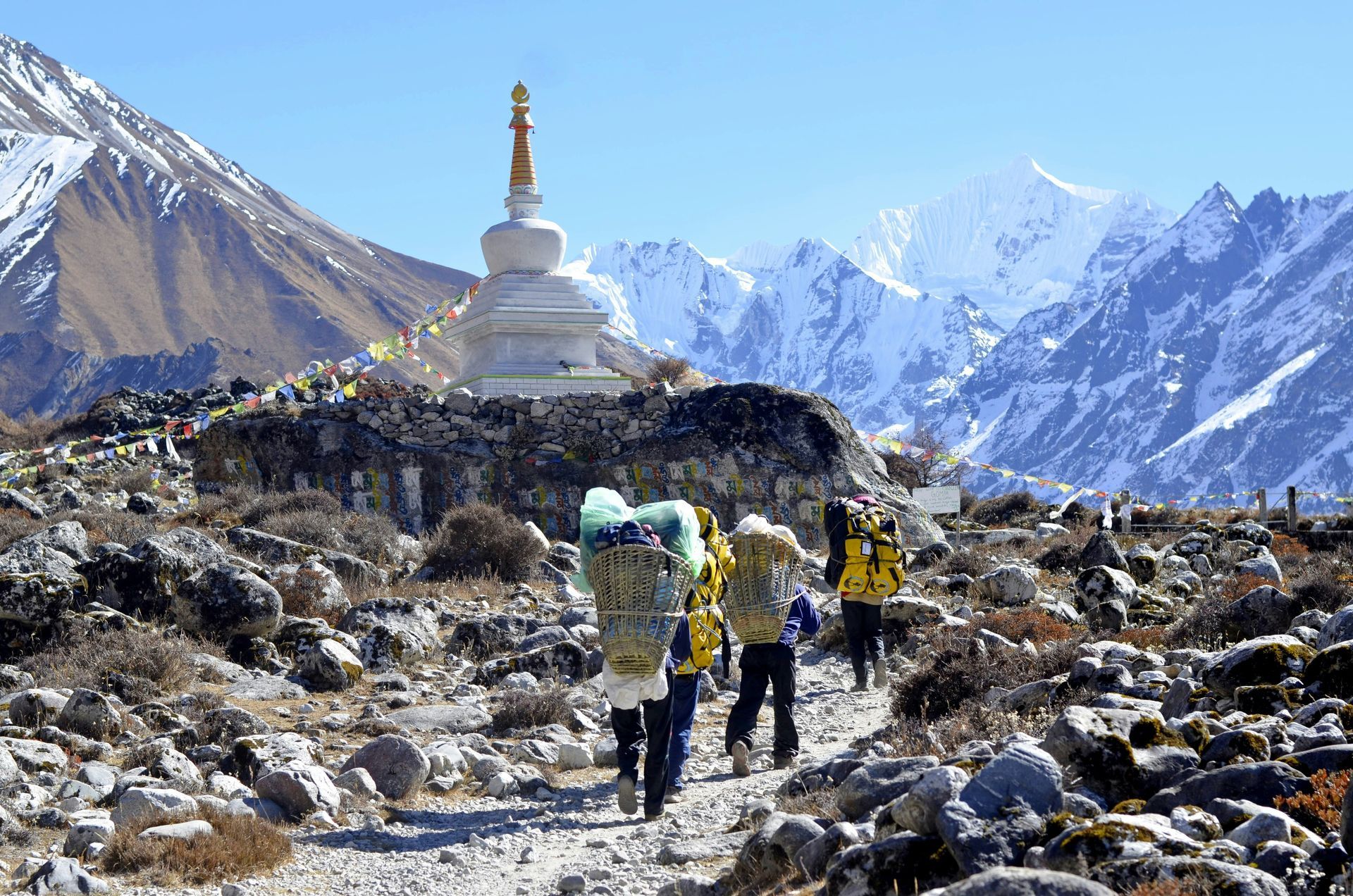
Langtang
Button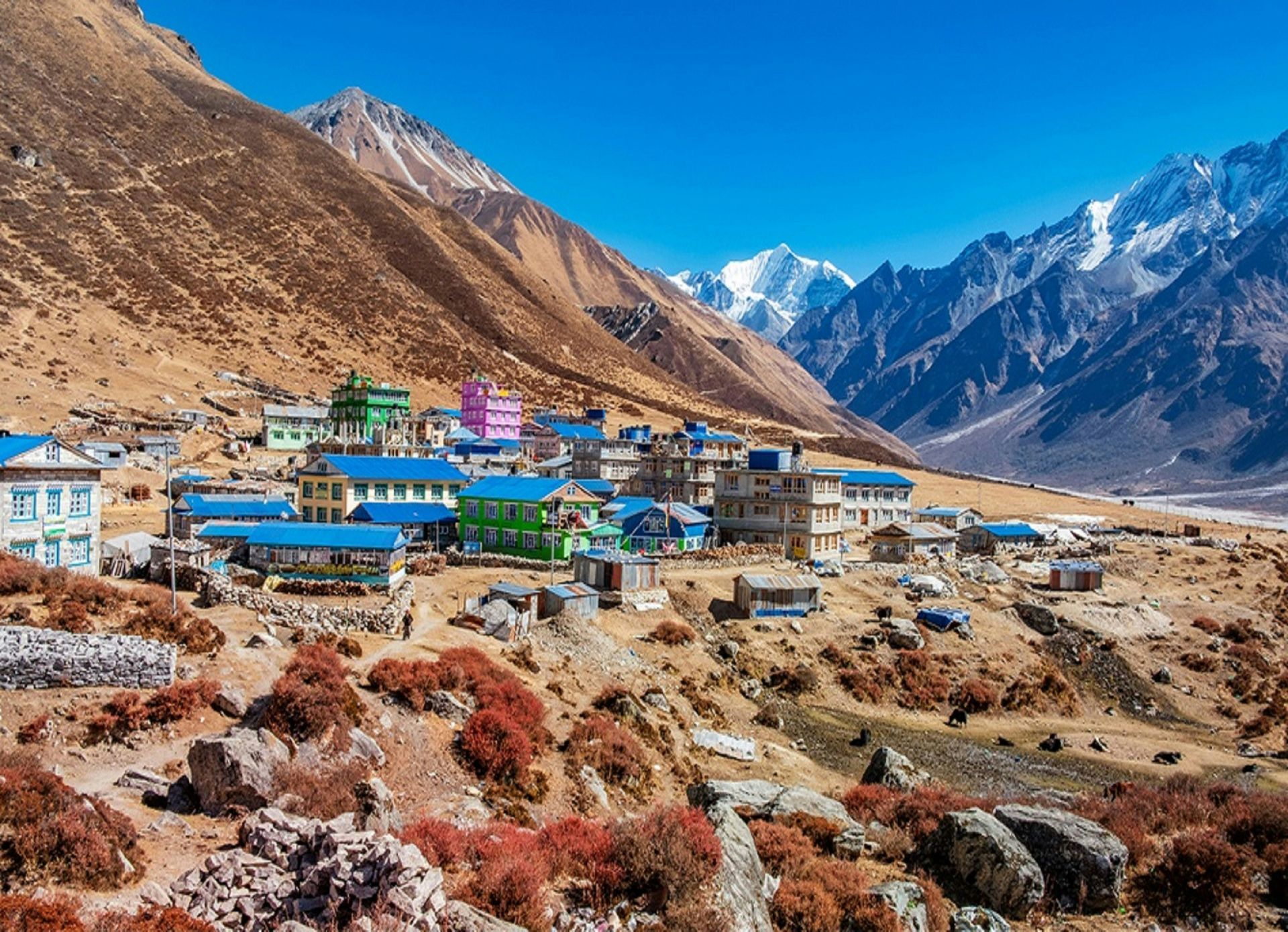
Slide title
Langtang
Button
Slide title
Langtang
Button
Slide title
Langtang
Button
Slide title
Langtang
Button
Slide title
Langtang
Button
Slide title
Langtang
Button
Slide title
Langtang
Button
Slide title
Bhaktapur
Button
Slide title
Bhaktapur
Button
Slide title
Bhaktapur
Button
Slide title
Bhaktapur
Button
Slide title
Bhaktapur
Button
Slide title
Bhaktapur
Button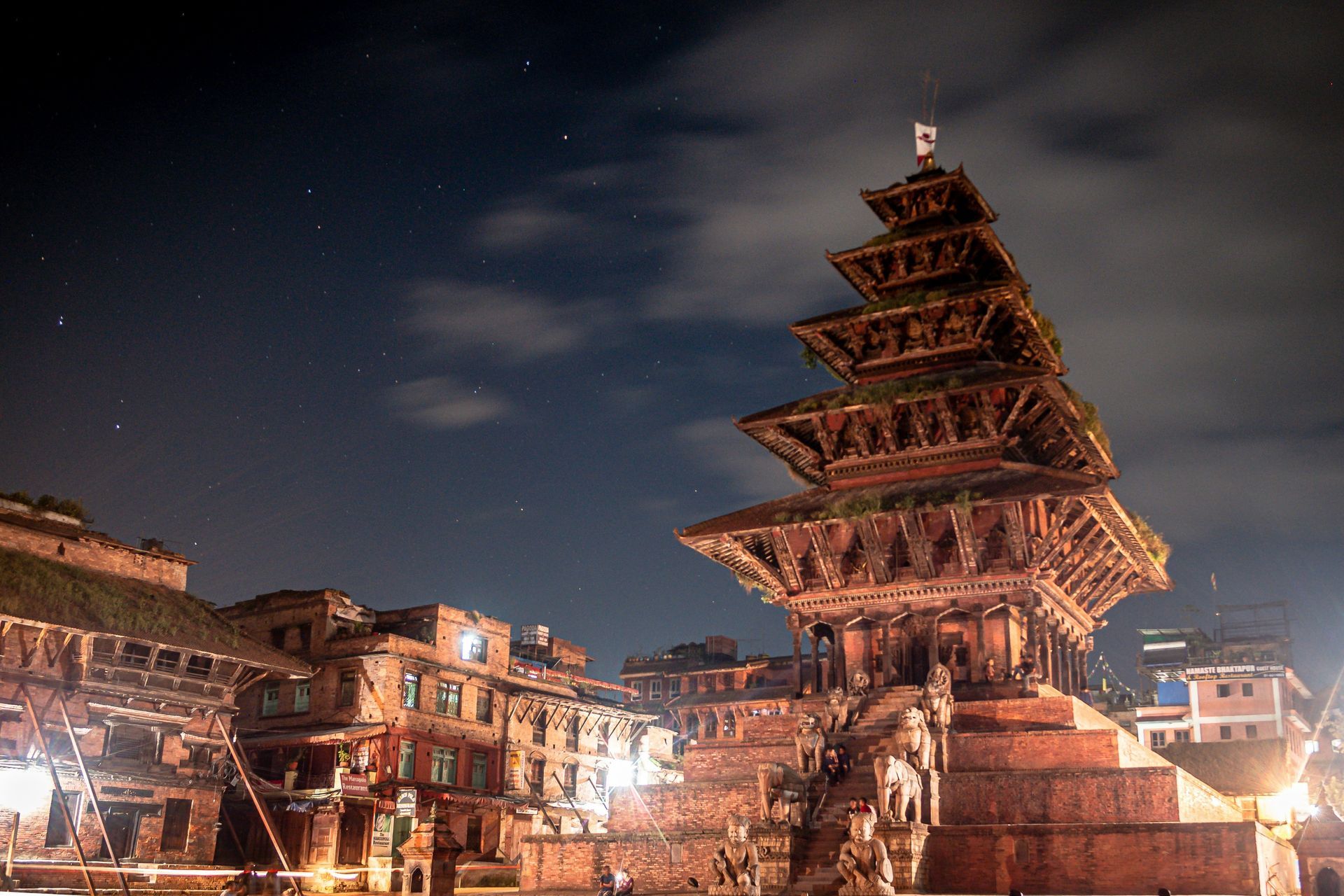
Slide title
Bhaktapur
Button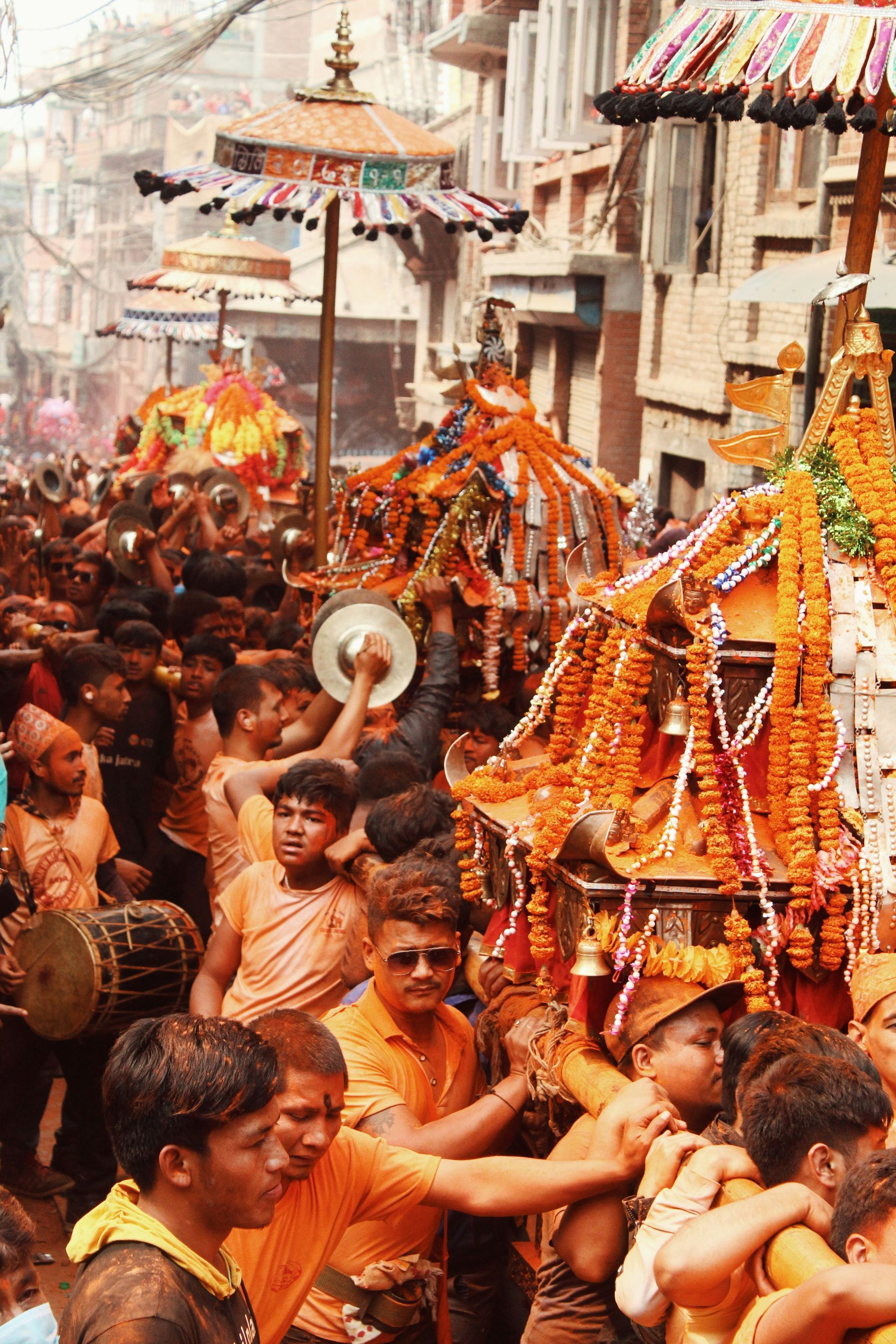
Slide title
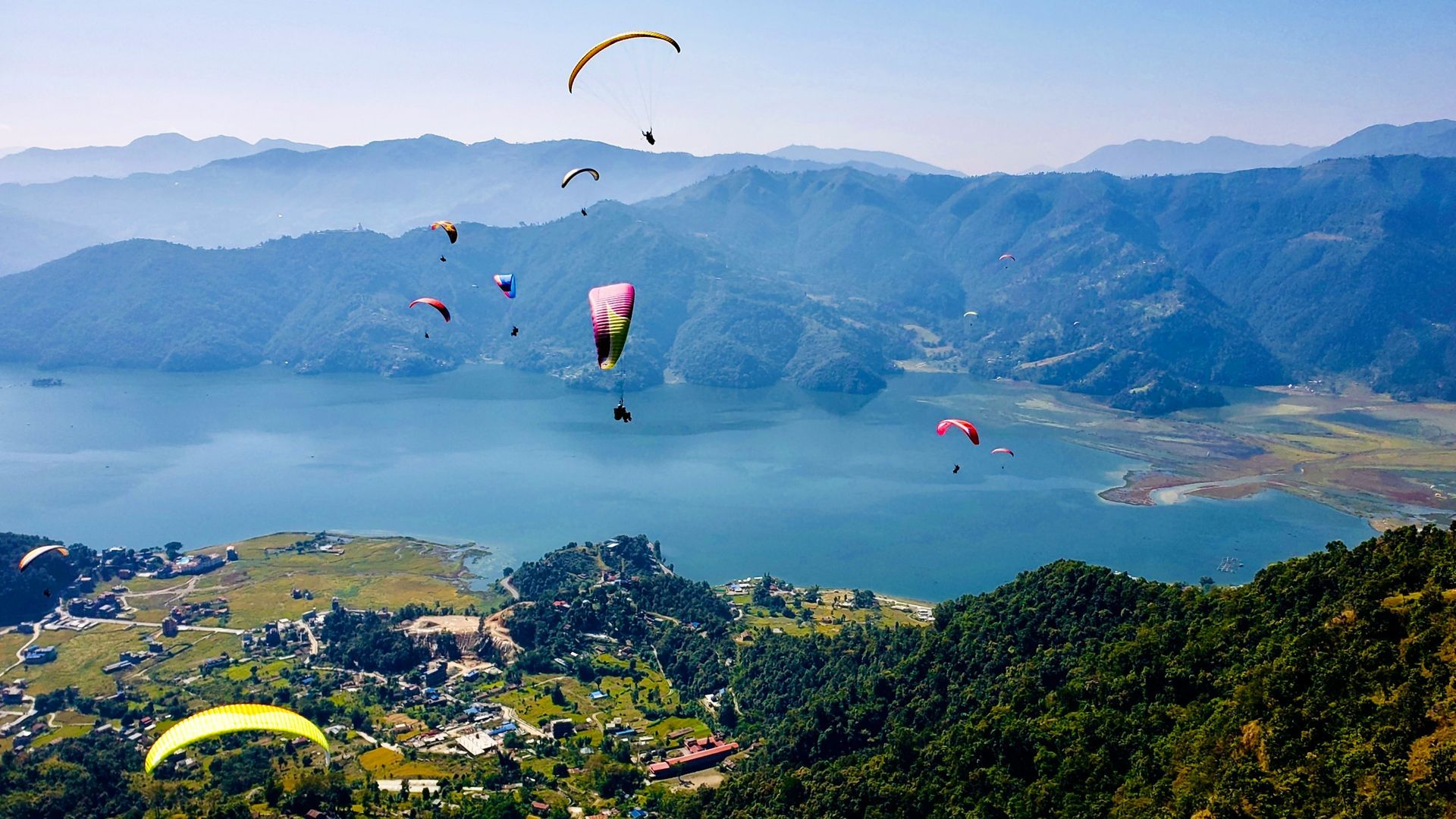
Bhaktapur
Button
Slide title
Pokhara
Button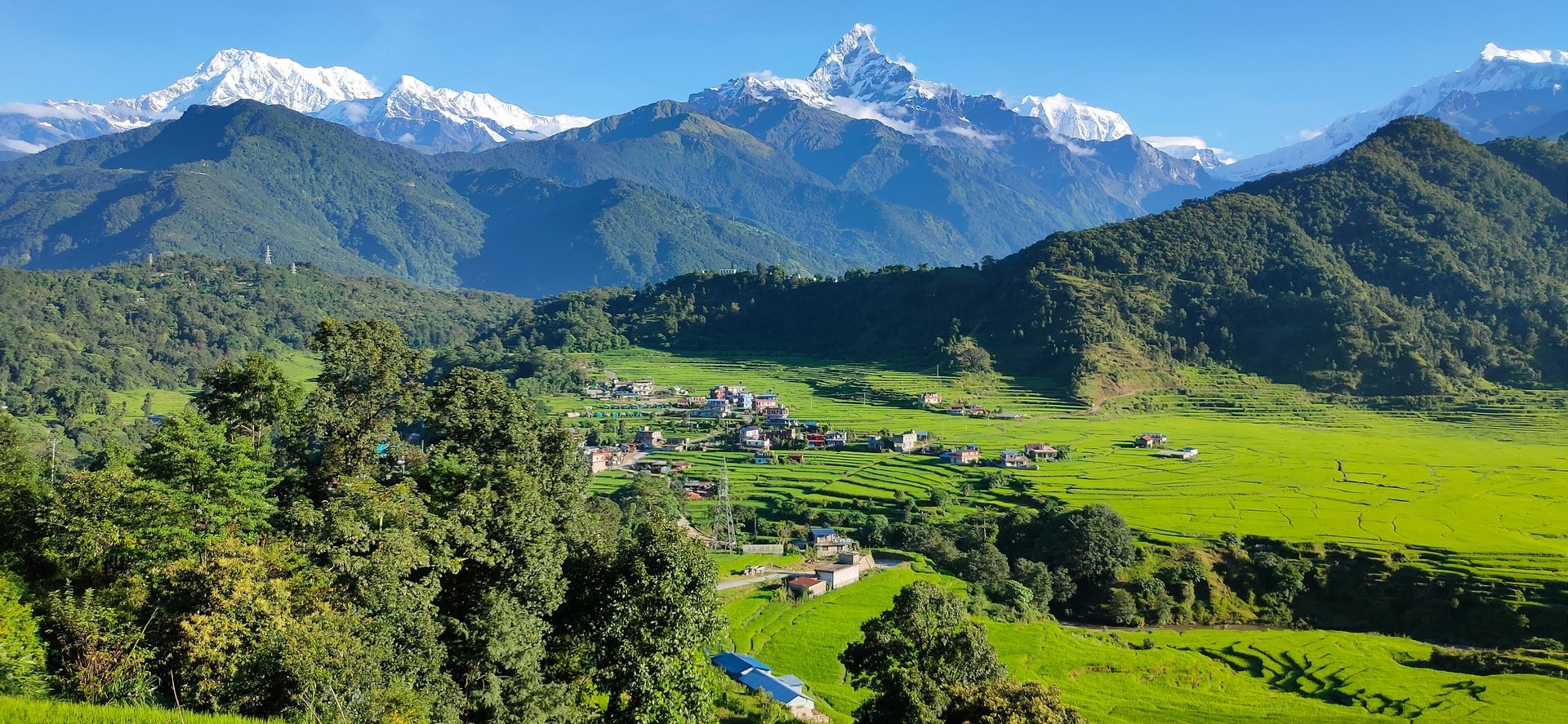
Slide title
Pokhara
Button
Slide title
Pokhara
Button
Slide title
Pokhara
Button
Slide title
Pokhara
Button
Slide title
Pokhara
Button
Slide title
Pokhara
Button
Slide title
Sagarmatha
Button
Slide title
Sagarmatha
Button
Slide title
Sagarmatha
Button
Slide title
Sagarmatha
Button
Slide title
Annapurna
Button
Slide title
Annapurna
Button
Slide title
Annapurna
Button
Slide title
Annapurna
Button
Slide title
Annapurna
Button
Slide title
Annapurna
Button
Slide title
Annapurna
Button
Slide title
Annapurna
Button
Slide title
Chitwan
Button
Slide title
Chitwan
Button
Slide title
Chitwan
Button
Slide title
Chitwan
Button
Slide title
Chitwan
Button
Slide title
Chitwan
Button
Slide title
Chitwan
Button
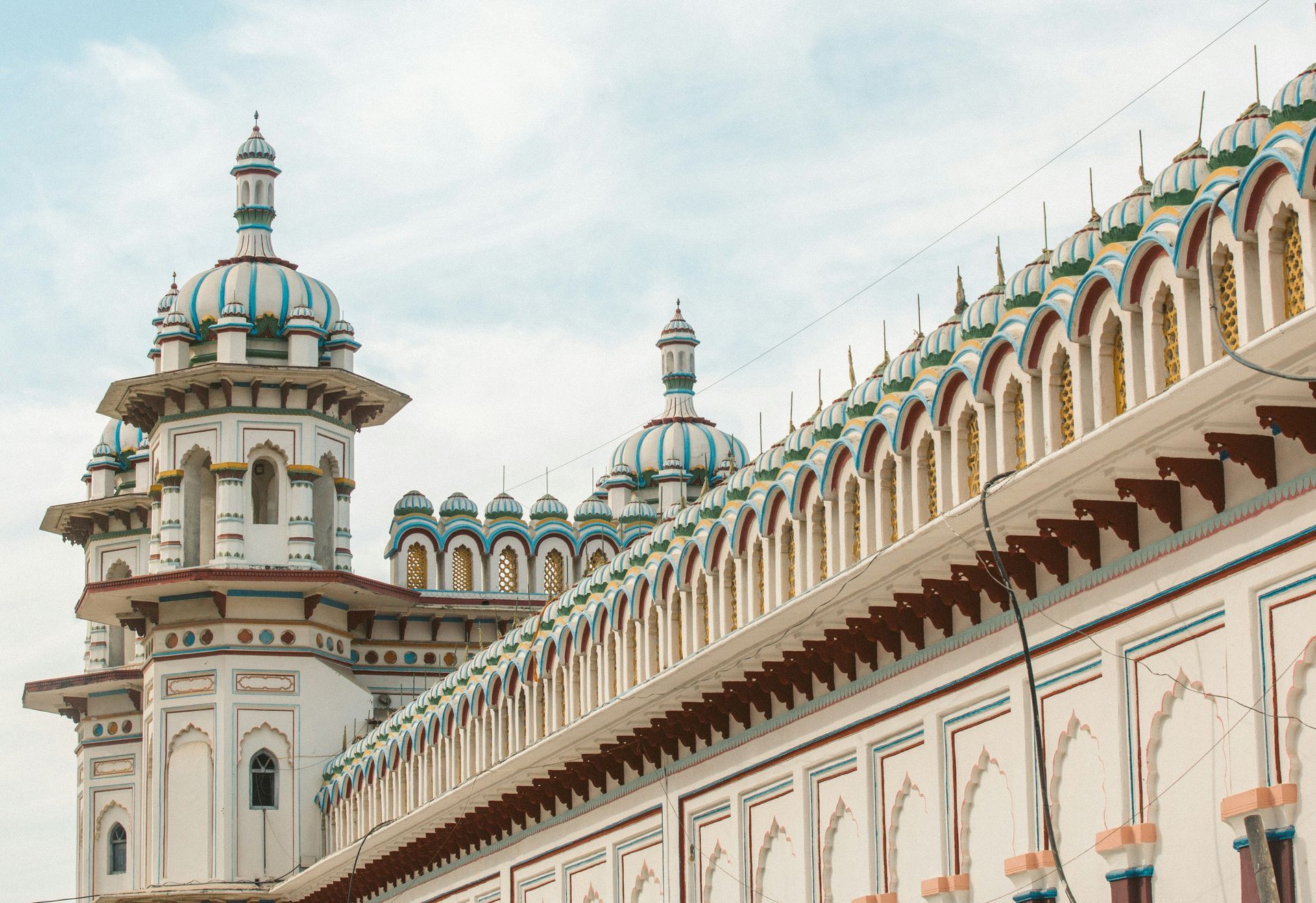
Slide title
Janakpur
Button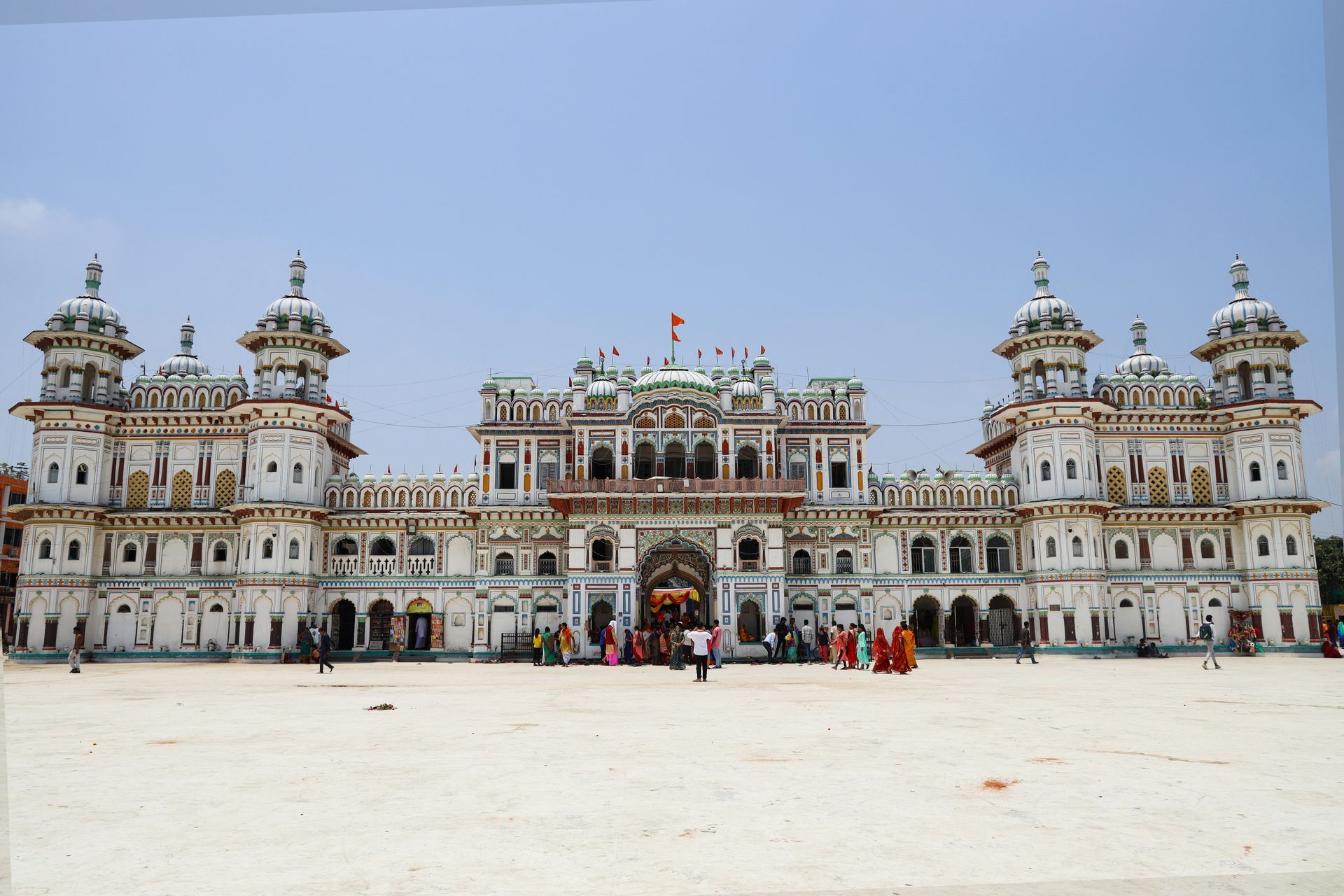
Slide title
Janakpur
Button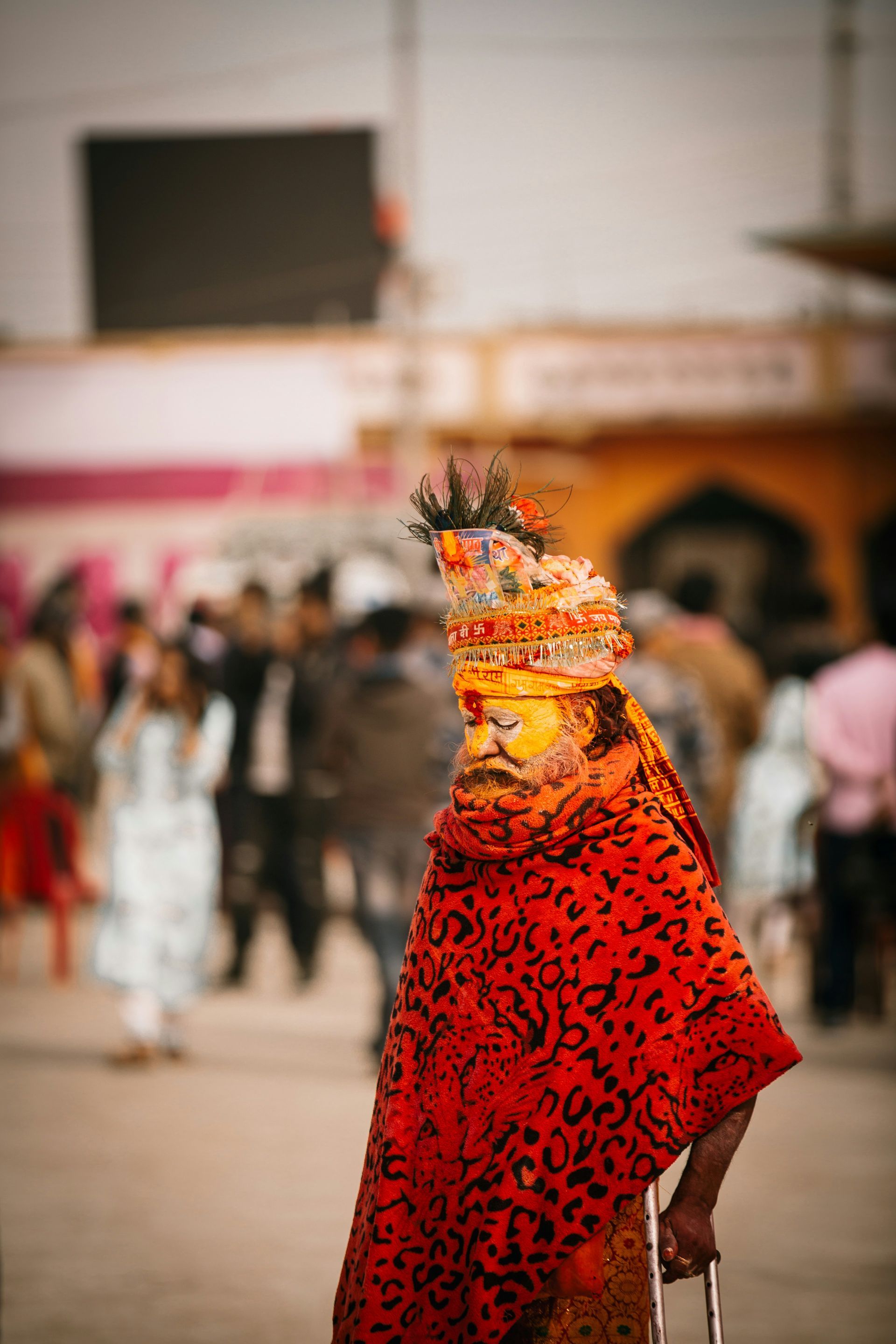
Slide title
Janakpur
Button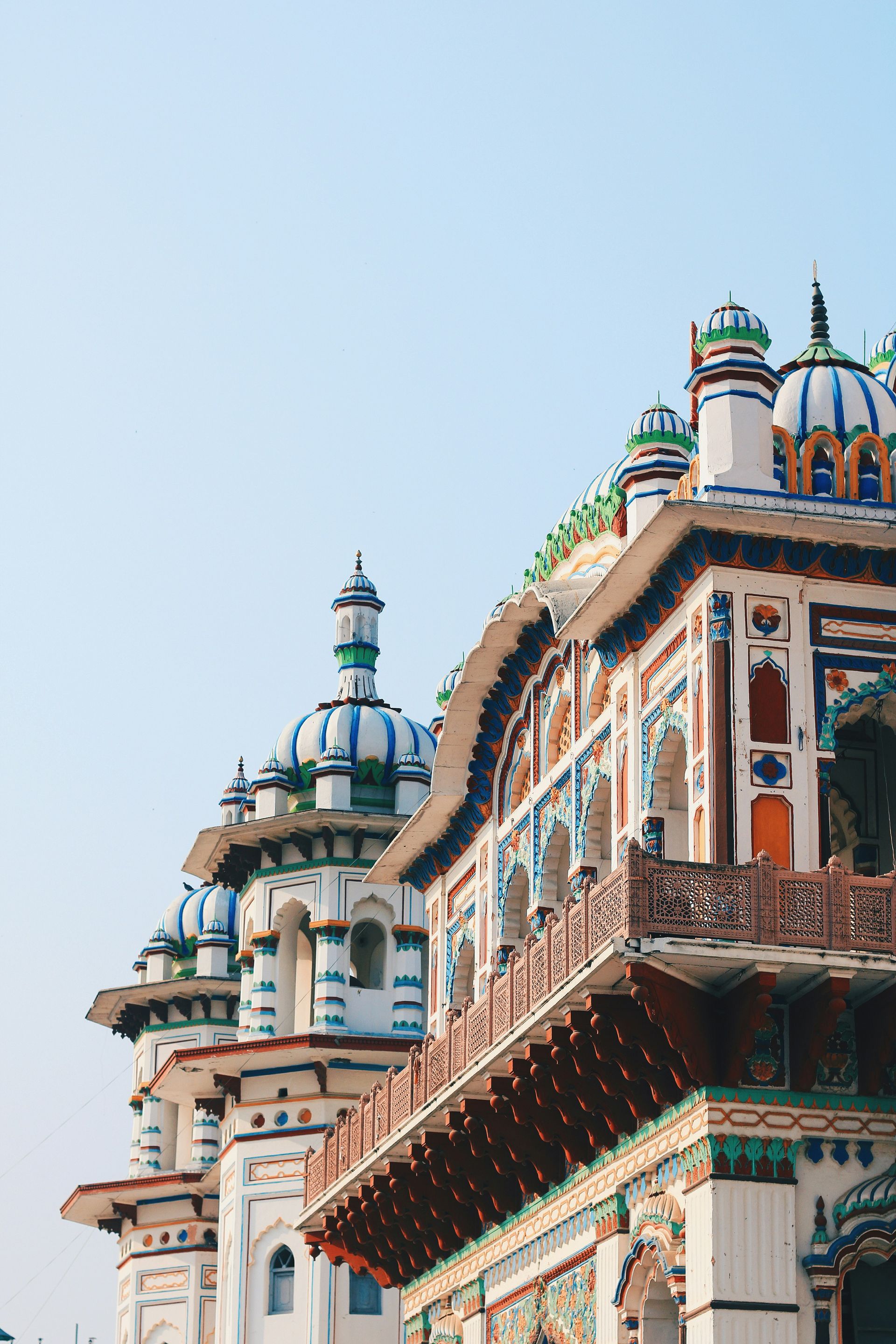
Slide title
Janakpur
Button
Traditional Dishes
-
Ema Datshi
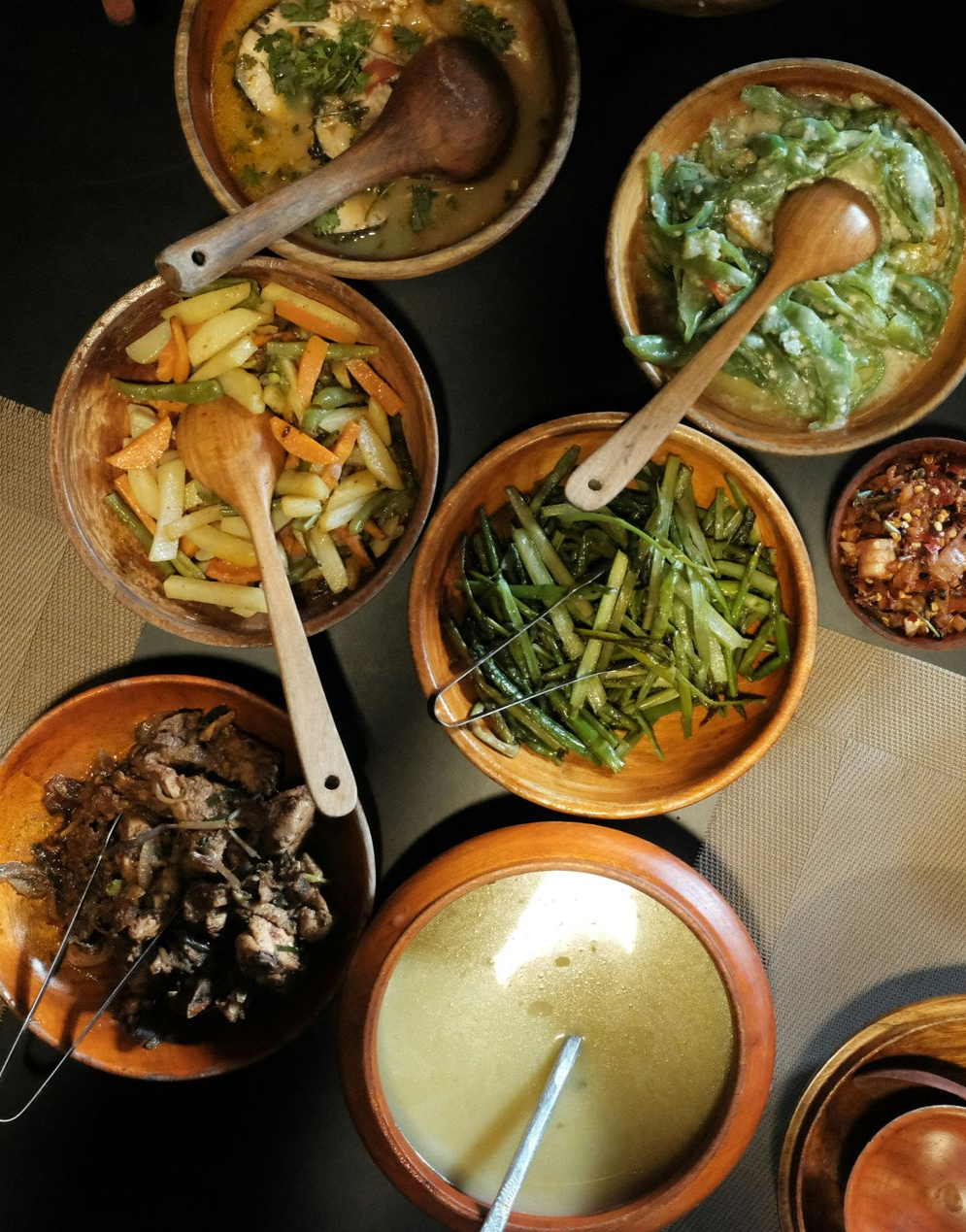
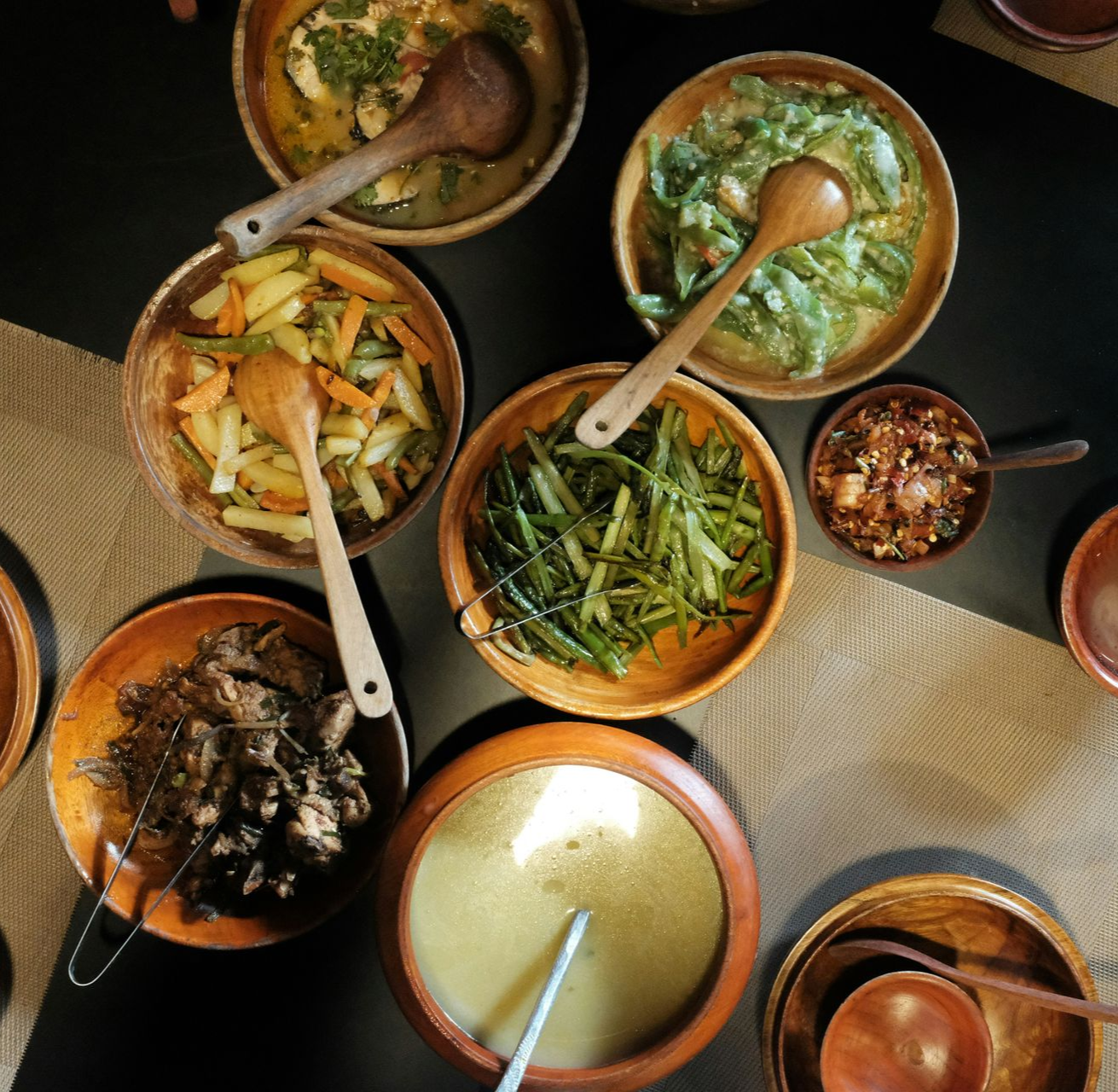
Ema Datshi is Bhutan’s iconic dish, made with chilies and local cheese. Often served with red rice, it’s both spicy and comforting. This flavorful stew reflects Bhutanese culinary traditions, showcasing bold, simple ingredients prepared with care, and is a must-try for travelers seeking an authentic taste of Bhutan’s unique cuisine.
-
Phaksha Paa
Phaksha Paa features tender pork cooked with red chilies, garlic, and traditional spices. Served with red or white rice, it delivers rich, savory flavors typical of Bhutanese cooking. This hearty dish exemplifies the country’s love for bold, satisfying meals and the use of locally sourced ingredients in everyday cuisine.
-
Goep Paa
Goep Paa is a traditional Bhutanese dish made with tripe, cooked with chilies, garlic, and local spices. Often paired with red rice, it’s hearty and flavorful. This dish highlights Bhutanese resourcefulness and culinary heritage, turning simple, regional ingredients into a nourishing and distinctive meal enjoyed across the highland regions.
-
Chum Marp
Chum Marp (Red rice) is a staple of Bhutanese cuisine, valued for its nutty flavor, chewy texture, and nutrition. Grown in Bhutan’s fertile valleys, it pairs perfectly with spicy and savory dishes like Ema Datshi or Phaksha Paa. This naturally red-hued rice reflects Bhutan’s agricultural traditions and connection to its pristine, mountainous environment.
-
Kewa Datshi
Kewa Datshi is a comforting Bhutanese dish of potatoes cooked with melted cheese and mild chilies. Served with red or white rice, it balances creamy, hearty flavors and showcases Bhutan’s simple yet flavorful culinary style. This dish highlights the country’s love for bold, home-style meals rooted in local ingredients.
-
Jasha Maroo
Jasha Maroo is a spiced chicken dish cooked with garlic, ginger, onions, and local chilies. Typically served with rice, it’s flavorful, savory, and satisfying. This Bhutanese favorite reflects traditional home-style cooking, emphasizing fresh ingredients, bold spices, and the culinary customs that define the nation’s rich food culture.
Traditional Dishes
-
Ema Datshi
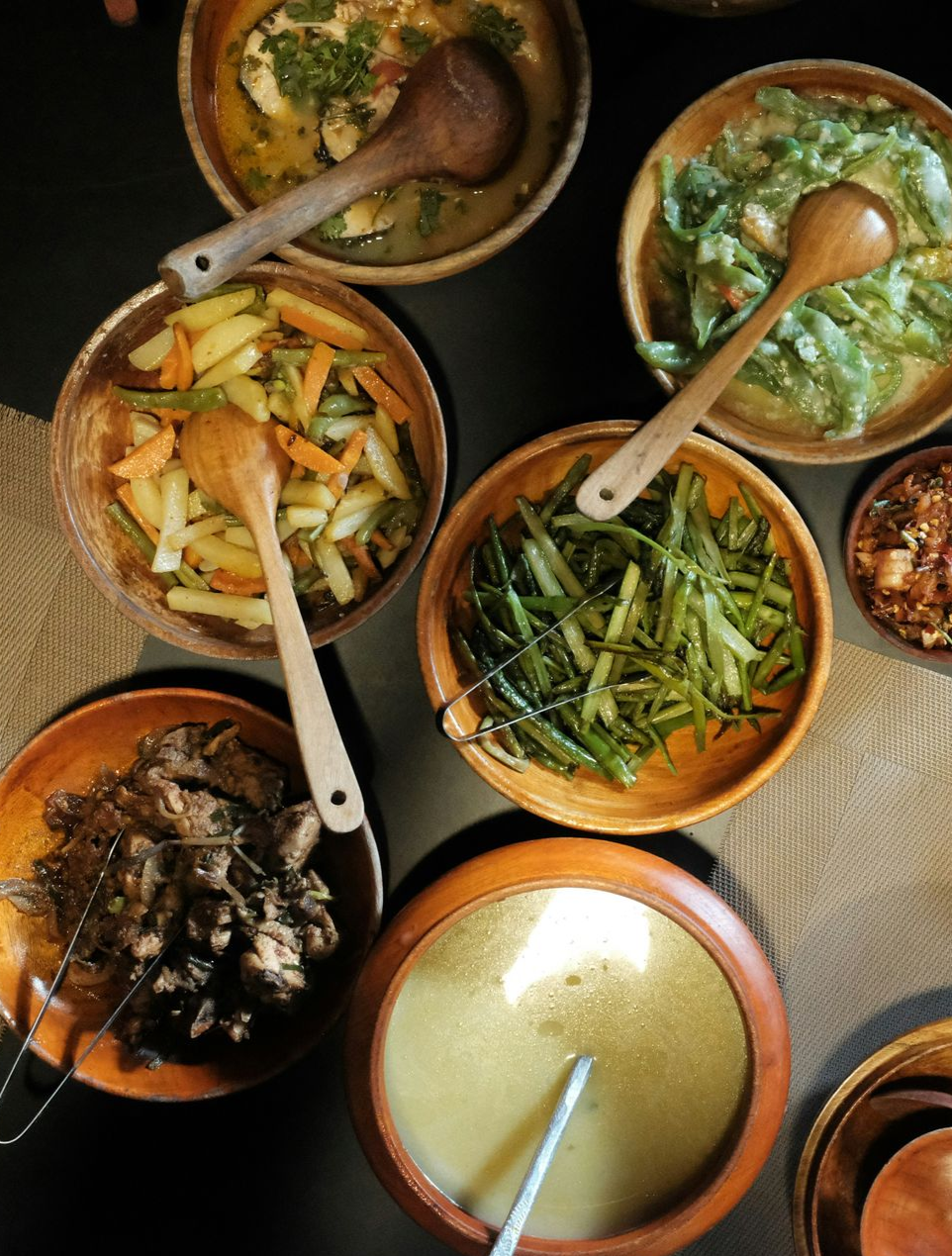
Ema Datshi is Bhutan’s iconic dish, made with chilies and local cheese. Often served with red rice, it’s both spicy and comforting. This flavorful stew reflects Bhutanese culinary traditions, showcasing bold, simple ingredients prepared with care, and is a must-try for travelers seeking an authentic taste of Bhutan’s unique cuisine.
-
Phaksha Paa
Phaksha Paa features tender pork cooked with red chilies, garlic, and traditional spices. Served with red or white rice, it delivers rich, savory flavors typical of Bhutanese cooking. This hearty dish exemplifies the country’s love for bold, satisfying meals and the use of locally sourced ingredients in everyday cuisine.
-
Goep Paa
Goep Paa is a traditional Bhutanese dish made with tripe, cooked with chilies, garlic, and local spices. Often paired with red rice, it’s hearty and flavorful. This dish highlights Bhutanese resourcefulness and culinary heritage, turning simple, regional ingredients into a nourishing and distinctive meal enjoyed across the highland regions.
-
Chum Marp
Chum Marp (Red rice) is a staple of Bhutanese cuisine, valued for its nutty flavor, chewy texture, and nutrition. Grown in Bhutan’s fertile valleys, it pairs perfectly with spicy and savory dishes like Ema Datshi or Phaksha Paa. This naturally red-hued rice reflects Bhutan’s agricultural traditions and connection to its pristine, mountainous environment.
-
Kewa Datshi
Kewa Datshi is a comforting Bhutanese dish of potatoes cooked with melted cheese and mild chilies. Served with red or white rice, it balances creamy, hearty flavors and showcases Bhutan’s simple yet flavorful culinary style. This dish highlights the country’s love for bold, home-style meals rooted in local ingredients.
-
Jasha Maroo
Jasha Maroo is a spiced chicken dish cooked with garlic, ginger, onions, and local chilies. Typically served with rice, it’s flavorful, savory, and satisfying. This Bhutanese favorite reflects traditional home-style cooking, emphasizing fresh ingredients, bold spices, and the culinary customs that define the nation’s rich food culture.
Love this destination?
Have Viking Travel book your next getaway!